A clean-looking yard is not always a clean yard. Once dog waste has sat on grass, gravel, artificial turf, or pavers, bacteria, parasites, odor, and residue can remain even after the visible mess is gone. Knowing how to sanitize yard after dog poop helps protect the outdoor space your family and pets actually use – whether that means a quick game of fetch, a backyard barbecue, or barefoot kids on the lawn.
The first rule is simple: remove waste promptly and completely. Sanitizing works best after pickup, not instead of it. From there, the right method depends on your yard surface, how long the waste was left behind, and whether children or pets use the area regularly.
Start With Thorough Waste Removal
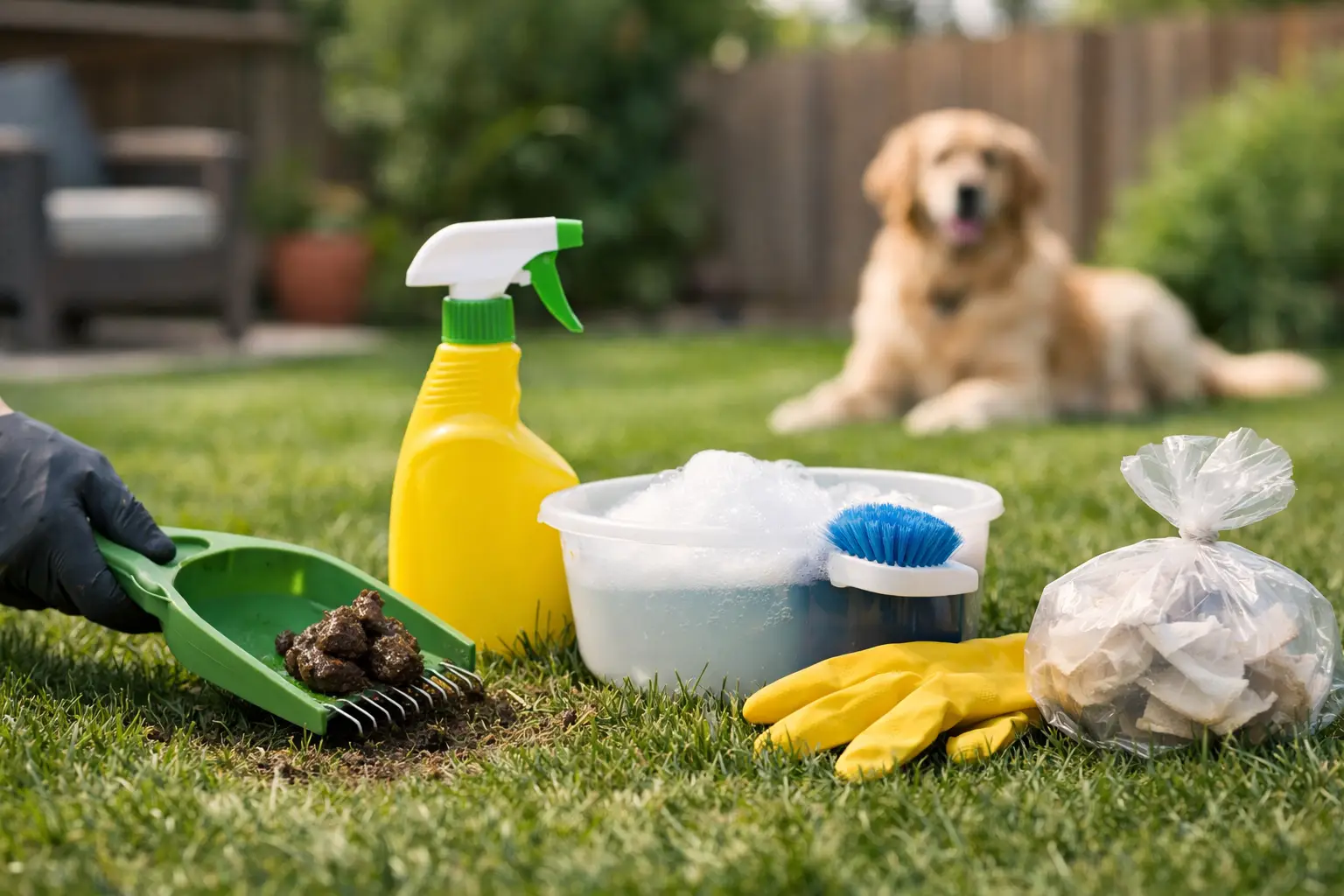
Put on disposable gloves, use a dedicated scooper or bag, and pick up every visible pile. Check along fences, behind patio furniture, near shrubs, and in the corners where dogs tend to go. A single missed pile can keep odor, flies, and contamination problems going.
If stool is loose, use a scoop, paper towels, or a small amount of absorbent material to lift as much as possible before treating the spot. Do not hose loose poop into a drain, street, or planting bed. It can spread contamination rather than remove it.
Dispose of bagged waste in a sealed trash container. Then wash your hands thoroughly, even if you wore gloves. Clean and disinfect the scoop or tool before using it in another area of the yard. This matters especially in multi-dog homes, where one pet can pass parasites or illness to another through contaminated soil or equipment.
How to Sanitize a Yard After Dog Poop
Outdoor sanitation is about reducing germs and residue to a safer level, not making a living yard sterile. Grass, soil, and landscaping contain natural microorganisms, and overly aggressive chemicals can damage plants, harm pets, and create a different problem than the one you started with.
After pickup, rinse the affected spot lightly with water if the surface allows it. In the Las Vegas Valley, use enough water to dilute and move away residue, but avoid flooding the area. Runoff should not flow toward storm drains, neighboring properties, or vegetable gardens.
Next, apply a pet-safe outdoor yard sanitizer according to its label directions. Look for a product made for pet waste areas and designed for the surface you are treating. Products intended for kennels, artificial turf, patios, or lawns may have different instructions, so more product is not automatically better.
Allow the sanitizer to sit for the recommended contact time. That is the amount of time it needs to work before the area is rinsed or allowed to dry. Keep dogs and children away until the product label says the space is safe for use.
For a small, fresh mess on healthy grass, prompt pickup plus a light rinse may be enough. For recurring potty zones, diarrhea, lingering odor, or an area used by children, a pet-safe sanitizer is a more sensible addition to your routine.
Avoid Bleach on Grass and Artificial Turf
Bleach is a common household disinfectant, but it is usually a poor choice for a yard. It can burn grass, damage plants, discolor some hardscape materials, and irritate paws. Bleach also becomes less effective when it contacts organic matter, which is exactly what is found in a yard after pet waste.
The same caution applies to strong, heavily fragranced cleaners. A product that smells powerful is not necessarily safer or more effective. Choose a cleaner specifically labeled for outdoor pet areas, and follow dilution and drying directions exactly.
Treat Hard Surfaces Differently
Concrete, pavers, patios, and other nonporous surfaces are easier to sanitize than soil or grass. Pick up the waste, remove visible residue with a paper towel or dedicated brush, then rinse the area carefully. Apply a pet-safe disinfectant suitable for hard outdoor surfaces and give it the full contact time listed on the label.
Avoid pressure washing a contaminated spot before removing the waste. High-pressure water can aerosolize residue and spread it across nearby surfaces. A gentle rinse after cleanup is the safer approach.
What About Grass, Soil, and Gravel?
Grass and soil need a lighter touch. Dog waste can contribute to yellow or burned-looking patches because it concentrates nitrogen and salts in one location. Regular pickup prevents much of this damage, while a modest rinse can help dilute residue before it settles in.
If your dog uses the same patch every day, rotate the potty area when possible. That gives grass a break and prevents one section from becoming a permanent odor source. In very dry Las Vegas conditions, urine and waste residue can become more noticeable quickly, so consistent cleanup makes a visible difference.
Gravel is more challenging because waste can fall between stones. Scoop carefully, rinse only as needed, and use a pet-safe enzymatic odor treatment if odor persists. Enzymatic products break down odor-causing organic material rather than merely covering it with fragrance. They can be useful in designated dog runs, but they still work best when solids are removed first.
Artificial turf needs regular attention too. Remove solid waste right away, rinse the area, and use a turf-safe pet odor and sanitation product. Pay close attention to seams, edges, and high-use potty spots, where residue can build up. If urine odor keeps returning despite regular treatment, the issue may be trapped deep in the infill and may require more thorough professional service.
When Dog Poop May Be a Bigger Health Concern
Most routine cleanups do not require alarm, but a few situations call for extra care. Be more cautious when the stool contains blood, mucus, worms, or unusual material; when a dog has diarrhea; or when a veterinarian has diagnosed a contagious parasite or gastrointestinal illness.
Roundworms, hookworms, giardia, and other parasites can be present in dog stool. Some can persist in the environment, particularly in shaded or damp soil. No single backyard spray can guarantee that every parasite is eliminated. Prompt removal, routine sanitation, veterinary care, and keeping kids from playing in known contaminated areas are the practical layers of protection.
If your dog has a confirmed contagious condition, ask your veterinarian how long to restrict access to the affected area and what cleaning method is appropriate. The answer depends on the illness, the treatment plan, and the yard surface.
Build a Routine That Keeps the Yard Usable
A yard does not need an all-day cleaning schedule to stay pleasant. It needs consistency. For one dog, checking the yard at least once or twice a week may be workable if waste is picked up promptly after obvious messes. For multiple dogs, active potty areas, or families who use the yard daily, more frequent service is usually worth it.
A practical routine has four parts:
- Pick up solid waste before it gets baked into the yard or tracked indoors.
- Rinse and spot-treat areas where waste or odor lingers.
- Disinfect scoops, bins, and tools between uses and between separate yards.
- Watch for repeat problem zones, pests, grass damage, or changes in your dog’s stool.
This routine is less about perfection and more about preventing buildup. Flies, unpleasant smells, stained turf, and missed piles tend to multiply when cleanup becomes an occasional chore instead of a regular part of property care.
When It Makes Sense to Call a Professional
A one-time yard cleanup can be a relief after a busy season, a move, travel, illness, or a stretch of missed pickups. Recurring service is often the easier answer for multi-dog households and anyone who wants the yard ready for guests, kids, and pets without adding another task to the weekend.
Professional service should be more than a quick scoop-and-go. Poo Pickers® provides pet-waste removal with deodorizing and pet-safe sanitizing, plus practical accountability such as uniformed technicians, disinfected equipment between yards, service notifications, and closed-gate photos after the visit. For homeowners who value a clean yard and reliable follow-through, those details matter.
A sanitized yard is not one that smells like chemicals. It is one where waste is removed regularly, problem spots are treated safely, and everyone can step outside without wondering what is underfoot.