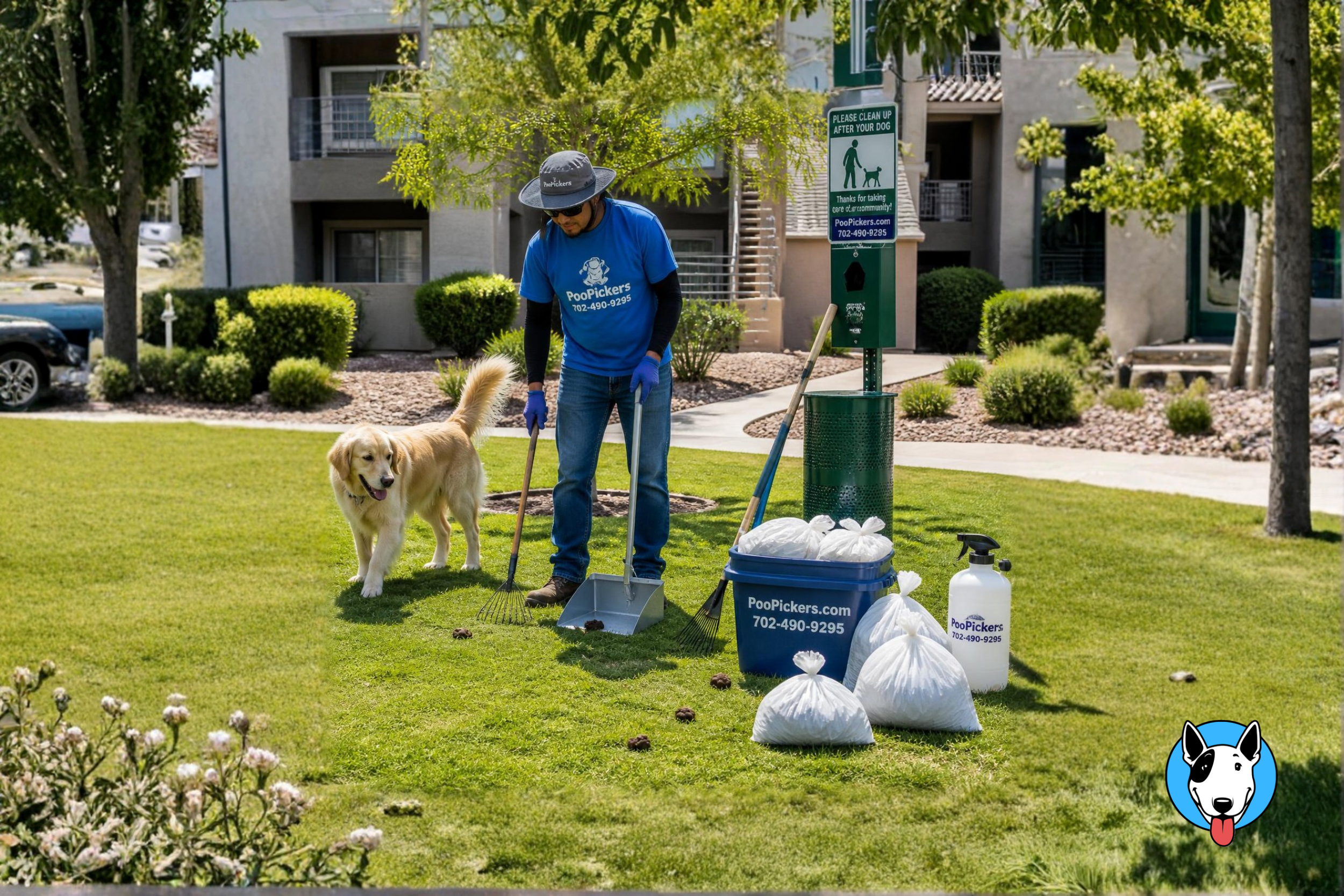
A dog waste station can look like a small amenity, but residents notice quickly when it is empty, overflowing, or placed where nobody uses it. A dependable apartment dog waste station service turns that simple fixture into a cleaner, more usable part of the property. It helps protect shared lawns, walkways, pet relief areas, and the day-to-day resident experience without adding another task to an already busy maintenance team.
For apartment operators and property managers, the goal is not merely to put out bags. The goal is to keep common areas sanitary, limit odor and pest issues, give responsible pet owners what they need, and address avoidable complaints before they become recurring work orders.
Why Waste Stations Need Ongoing Service
A station only works when residents can rely on it. If bags run out, the trash can is full, or waste is left around the base, even conscientious dog owners may not have a practical way to clean up after their pets. The result is a mess that spreads beyond the dog run and affects sidewalks, landscaping, children’s play areas, and outdoor gathering spaces.
Dog waste is more than an appearance issue. It can carry bacteria and parasites, attract flies and other pests, create unpleasant odors in warm weather, and damage turf when it is left in concentrated areas. In the Las Vegas Valley, heat can make odors more noticeable and turn a neglected pet area into a frequent source of resident frustration.
Regular service gives property teams a consistent plan. Instead of asking a groundskeeper to remember bags, cans, and scattered cleanup during an already full shift, a dedicated technician handles the station and the surrounding area on a set schedule.
What an Apartment Dog Waste Station Service Should Include
Not every provider handles stations the same way, so it helps to understand what the service should cover. The right scope depends on the property’s dog population, station count, foot traffic, and available green space, but reliable service should go beyond swapping a bag dispenser refill.
Station inspection and bag refills
Each visit should include checking the dispenser, refilling waste bags as needed, and making sure the station is usable. A broken latch, jammed dispenser, missing sign, or unstable post can discourage use just as much as an empty bag supply.
High-traffic properties may need more frequent refills than a smaller community with one station near a pet relief area. A provider should be willing to adjust service based on what is actually happening on-site rather than holding every property to the same schedule.
Waste removal and liner changes
Servicing the trash receptacle means removing collected waste before it overflows, replacing the liner when needed, and leaving the station neat. Overflowing cans are one of the fastest ways to create odor, attract pests, and generate complaints.
The surrounding area matters, too. Dogs do not always use the designated zone, and some residents will miss the receptacle even when it is only a few feet away. A complete visit includes scooping visible waste around stations, dog runs, relief areas, and other agreed-upon common spaces.
Deodorizing and pet-safe sanitizing
During hot, dry conditions, a receptacle or artificial-turf pet area can develop odors quickly. Pet-safe deodorizing and sanitizing can help control the smell and support a cleaner environment for dogs, residents, and maintenance staff.
This is not a substitute for pickup. It works best as part of routine removal, especially in enclosed dog runs, shaded corners, and compact relief areas where odors tend to linger.
Clear service accountability
Property managers need to know that scheduled work happened, particularly when several vendors are serving the site. Arrival and completion notifications create a simple record. For communities with gated service areas, a completion photo can provide added confidence that gates were closed after the visit.
Poo Pickers® also uses uniformed technicians and disinfects equipment between service areas. Those details may sound small, but they matter when a vendor is working around residents, pets, and shared outdoor spaces.
How Often Should Apartments Service Dog Waste Stations?
There is no single schedule that fits every apartment community. A small property with a limited number of dogs may do well with weekly service. A large community, a heavily used dog park, or a property with several pet relief stations may need twice-weekly or more frequent visits.
Start by looking at the conditions on the worst day, not the best day. If bins are nearing capacity before the next visit, bags disappear within a few days, or staff routinely receive odor and cleanup complaints, the current schedule is probably too light.
Frequency also changes by season. Warmer months can call for more frequent cleanup because odor and insect activity become more noticeable. During move-in periods or after a pet-policy change, communities may see a jump in dog ownership and need to revisit their service plan.
A practical provider will help identify the appropriate frequency, then adjust if the property’s needs change. Flexibility matters more than paying for a schedule that is either excessive or inadequate.
Where Stations Work Best on an Apartment Property
Placement affects whether residents use a station. The best locations are convenient, visible, and placed where dogs naturally walk or relieve themselves. A station hidden at the far edge of a property may look tidy on a site plan but will not help much if residents have already passed their dog’s preferred spot.
Good placement often includes entrances and exits to dog runs, along common walking routes, near open grass areas, and by designated pet relief zones. Stations should be accessible without forcing residents to cross landscaping or walk out of their way with a leashed dog.
At the same time, avoid placing them directly beside seating areas, building entrances, pool gates, or outdoor dining spaces. Convenience is necessary, but so is resident comfort. The receptacle should be easy to find without becoming the focal point of an amenity area.
If litter or uncollected waste appears in one recurring location, treat that pattern as useful information. It may indicate that the nearest station is too far away, poorly positioned, or out of bags too often. Moving or adding a station can be more effective than repeatedly asking residents to do better.
What Property Managers Gain From Consistent Service
The immediate benefit is cleaner grounds, but the operational value goes further. When pet areas stay maintained, onsite teams spend less time handling unpleasant spot cleanup and fewer resident conversations begin with a complaint about dog waste.
A reliable apartment dog waste station service can also support the community’s broader standards. Clean landscaping, maintained paths, and stocked amenities tell prospective renters that details are handled. That impression matters during tours, renewals, inspections, and resident events.
There is a trade-off to consider. In-house maintenance may appear less expensive because the payroll cost already exists, but pet-waste tasks can pull team members away from repairs, turnovers, irrigation, and other skilled work. A dedicated service creates predictable scheduling and makes responsibility clear. For many communities, that consistency is worth more than the small savings of treating waste-station care as an occasional extra duty.
Questions to Ask Before Hiring a Provider
Before choosing a service, confirm exactly what happens on each visit. Ask whether bag refills, waste removal, common-area scooping, liner changes, deodorizing, and sanitizing are included or priced separately. Clarify how the provider handles an unusually full receptacle, a damaged station, or a holiday schedule.
It is also reasonable to ask about insurance, technician identification, communication procedures, and gate protocols. A vendor should be prepared to work around residents and pets respectfully while keeping access points secure. If the service is recurring, understand the billing schedule and whether the agreement requires a long-term contract.
For a Las Vegas or Henderson apartment community, local familiarity helps as well. A provider who understands the effect of heat, artificial turf, compact dog runs, and year-round outdoor use can recommend a schedule that matches real conditions on the property.
A Cleaner Pet-Friendly Community Starts With Follow-Through
Pet-friendly housing works best when the property gives residents practical tools and follows through on maintenance. Stocked stations, regular cleanup, and responsive service make it easier for dog owners to do the right thing while protecting the experience of everyone who shares the community.
The best result is quiet and simple: residents walk their dogs, find bags when they need them, and enjoy clean common areas without giving waste stations a second thought.