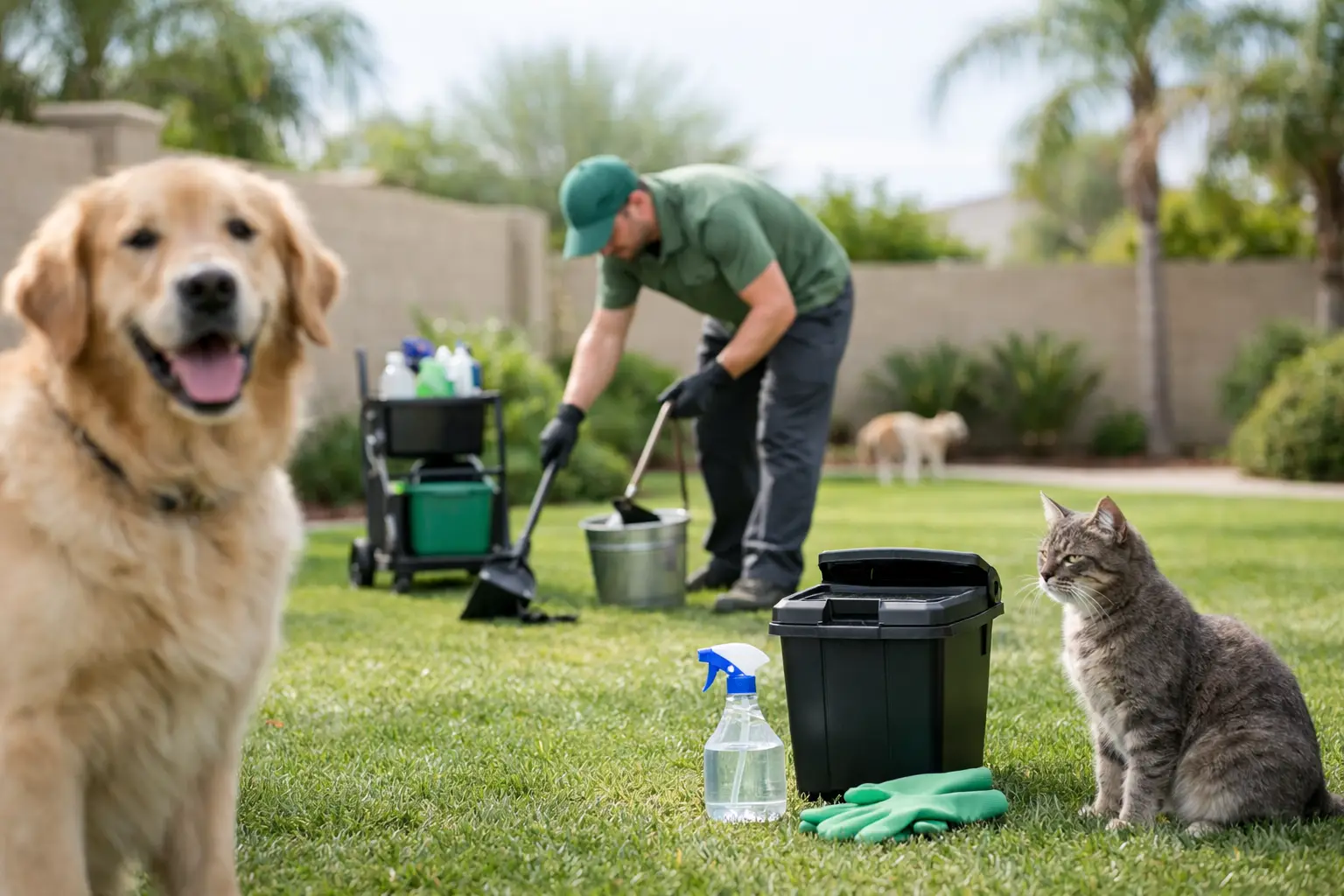
A clean yard can turn unusable fast when dog waste starts collecting near the patio, along the fence line, or in the spot where kids and pets play. Henderson pet area sanitation is about more than making the grass look better. It is routine care that helps control odors, reduce contact with waste, discourage pests, and keep outdoor space ready for ordinary life.
For busy dog owners, the hard part is rarely understanding that waste needs to be picked up. It is keeping up with it every week, especially with multiple dogs, long workdays, travel, heat, and everything else on the calendar. A consistent cleanup plan takes one recurring chore off the list and gives the whole household a cleaner place to enjoy.
What Henderson Pet Area Sanitation Should Include
Sanitation starts with thorough pet-waste removal. Skipping piles or only cleaning the visible center of a yard leaves behind the material that creates odor and contamination concerns. A proper service should check the full accessible yard, including side yards, landscaping edges, dog runs, patio areas, and the places dogs tend to use most often.
After waste is removed, deodorizing and pet-safe sanitizing can help refresh the area. These steps are especially useful around artificial turf, gravel dog runs, concrete, pavers, and compacted dirt, where smells can linger longer than they do in a well-watered lawn. They can also make a meaningful difference after a one-time cleanup of a neglected yard.
Sanitizing is not a replacement for regular removal. No spray can solve a yard that has weeks of waste sitting in it. The best approach is simple: remove waste consistently, then use appropriate odor-control and sanitation treatments where they make sense.
Why Waste Builds Up Faster Than Expected
A single dog can leave a surprising amount behind over a week. Add a second or third dog, and a missed cleanup can quickly become a job nobody wants to handle. During Henderson’s warmer months, heat can make odors more noticeable and turn a small issue into a reason to avoid the backyard.
Waste can also attract flies and create unpleasant conditions around outdoor living areas. Dogs may step in it, children may unknowingly play near it, and guests certainly notice it. Routine pickup protects the usability of the yard as much as its appearance.
The Right Schedule Depends on Your Yard
There is no single sanitation schedule that fits every household. The right frequency depends on the number of dogs, the size of the usable outdoor area, how often the family uses the yard, and how quickly waste becomes a problem.
Weekly service is a practical fit for many homes, particularly families with one or two dogs that use the yard daily. Multi-dog homes often benefit from more frequent attention if the yard is small or heavily used. Bi-weekly service can work for lighter use, while monthly visits are usually better suited to owners who already pick up between appointments and want occasional help staying ahead.
One-time cleanups have their place, too. They are useful after a busy season, a move, an injury, a vacation, or simply when the yard has gotten away from you. The trade-off is that a one-time cleanup restores the space, but recurring service is what keeps it that way.
Grass, Turf, Gravel, and Shared Dog Areas
Every surface has different needs. Natural grass can show brown or stressed spots when dogs repeatedly use the same area. Removing solid waste quickly helps prevent additional mess, though it cannot reverse every lawn issue caused by urine, weather, irrigation, or soil conditions.
Artificial turf is convenient, but it deserves consistent care. Waste can settle into turf fibers, and odor can build up in high-use spots if material is not removed promptly. Gravel and dirt runs may be easy to rinse, yet they can retain odors and make thorough pickup more difficult when waste dries out.
For HOA communities, apartment properties, parks, and businesses, the stakes are broader. A neglected pet station or dog relief area affects every resident or visitor who uses the property. Regular service supports cleaner common spaces, helps reduce complaints, and shows that pet-friendly amenities are being cared for rather than simply advertised.
What Reliable Service Looks Like
Letting someone into your yard requires trust. Convenience matters, but accountability matters just as much. Homeowners should know when service is scheduled, who is coming onto the property, and whether the gate was secured when the work was finished.
Poo Pickers uses uniformed technicians, service notifications, and post-service closed-gate photos so customers are not left guessing. Those details are not extras when pets are involved. They help provide confidence that the yard was serviced and the property was left secure.
Equipment hygiene matters as well. Tools used in one yard should not be carried into the next without disinfection. This is a straightforward operational practice, but it is one that separates a professional sanitation service from an informal pickup arrangement. Licensed and insured service also provides another layer of reassurance for homeowners and property managers.
A dependable provider should be clear about pricing and scheduling. Dog count and visit frequency affect the work involved, so they should affect the quote. Look for flexible recurring plans, understandable monthly billing, and no long-term contract that makes it difficult to change service as your household needs change.
How to Get Better Results Between Visits
Professional service handles the recurring dirty work, but a few basic habits can help keep pet areas fresher between visits. Keep outdoor water bowls away from the main relief area, since spills can create a messy zone. If possible, encourage dogs to use one part of the yard rather than every corner. A designated dog area makes cleanup, rinsing, and odor management easier.
For turf, concrete, and pavers, rinsing can help after heavy use, but avoid treating every odor with harsh household chemicals. Products that are not designed for pet areas may irritate paws, damage surfaces, or create another problem for curious dogs. Pet-safe products and directions matter.
It also helps to keep landscaping accessible. Thick ground cover, crowded storage along fences, and blocked side gates make it harder to spot waste and harder for any technician to perform a complete cleanup. You do not need a perfectly manicured yard, but clear access makes service more thorough.
When a Sanitation Reset Is Worth It
Sometimes a regular schedule is not the first step. If the yard has been neglected for several weeks, if odors remain after basic pickup, or if a property is preparing for guests, a move-in, or a community inspection, start with a one-time cleanup. This gives the property a clean baseline before recurring service begins.
A reset is also useful after monsoon weather or yard work, when debris can hide waste in places that are easy to miss. The goal is not perfection for its own sake. It is making the outdoor area functional again – a place where dogs can roam, children can play, and adults can sit outside without scanning the ground first.
A Cleaner Yard Is Easier to Use
Pet area sanitation is one of those home-care tasks people notice most when it is not done. Consistent removal, pet-safe odor control, and a service team that respects your property can change how often your family uses the yard. Choose a schedule that matches your dogs and your space, then let the routine do what it is supposed to do: keep the mess from becoming your weekend plan.