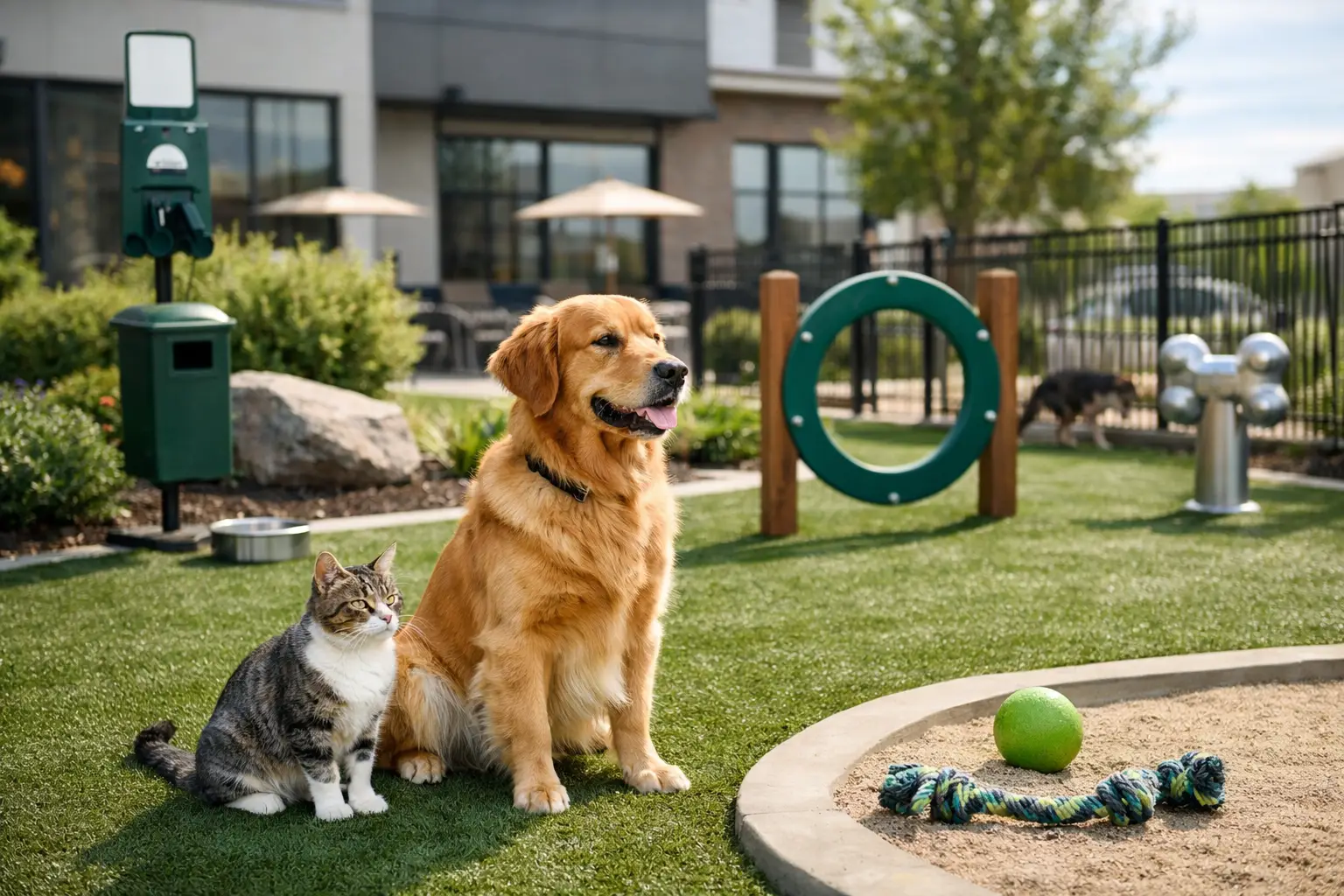
A shared dog area can be one of the most appreciated amenities on a property – and one of the quickest places for residents to complain when maintenance slips. This commercial pet area guide is built for HOA boards, apartment operators, park managers, and businesses that need a practical way to keep pet-friendly spaces clean, safe, and usable.
Dog waste is not just an appearance issue. Left behind, it creates odor, attracts flies, can damage grass, and exposes people and pets to bacteria and parasites. In the Las Vegas Valley, heat can intensify odors and make a neglected pet area feel unpleasant fast. A clear maintenance plan protects the property, supports resident satisfaction, and gives dog owners a space they can actually enjoy.
Start With the Purpose of the Pet Area
Before setting a cleanup schedule, define what the space needs to do. A small relief station near an apartment entrance has different needs than a fenced dog run used all day by dozens of residents. A community park may need durable waste stations and frequent servicing, while a business with a pet-friendly patio may need discreet cleanup after peak hours.
Look at the area during its busiest times. Notice where dogs tend to go, whether trash cans overflow, and where waste bags run out. Residents will often follow the easiest path, which means they may cluster near gates, shade structures, benches, or grassy edges. These high-use zones should receive extra attention instead of being treated like the rest of the property.
Also consider the surface. Natural grass can be welcoming, but repeated pet waste can leave burned spots and bare patches. Gravel drains well but can hide waste. Artificial turf is easy to rinse, yet it still needs debris removal and pet-safe deodorizing to control odor. The right approach depends on traffic, climate, drainage, and your maintenance budget.
Commercial Pet Area Guide: Build a Reliable Routine
The most effective pet area plan is not complicated. It is consistent. Residents notice when a dog run is cleaned on schedule, bags are available, gates close properly, and the area smells fresh. They also notice when those basics are missed.
For many apartment communities and busy shared spaces, waste removal should happen multiple times per week or daily. A low-traffic HOA relief station may be manageable with weekly service, provided it is monitored between visits. The right frequency depends on the number of dogs using the space, not simply the size of the area.
A strong routine includes waste removal, disposal, bag-station checks, trash removal, and a visual inspection of gates and surfaces. Deodorizing and pet-safe sanitizing can be especially helpful in enclosed dog runs, turf areas, shaded corners, and spaces near patios or walkways. These services help address the odor residents smell even after visible waste has been removed.
Do not rely on complaints as your cleaning schedule. By the time residents report an odor or overflowing station, the issue has already affected their experience. A recurring service plan gives the property a dependable baseline, while one-time cleanups can reset an area that has fallen behind.
Match Service Frequency to Real Use
A simple usage review can prevent both overpaying and under-maintaining. Track the number of pet-owning households, observe foot traffic, and note whether residents use the area before work, after work, or throughout the day.
For example, a 200-unit apartment community with an active dog park may need service three to seven days per week. A smaller HOA common area could be a good fit for one or two visits each week. Events, move-in weekends, and seasonal occupancy changes may justify temporary increases in service.
The goal is not to create a perfect-looking area for one hour after cleaning. The goal is to keep conditions consistently reasonable between visits.
Make Waste Disposal Easy for Residents
Even responsible dog owners need the right setup. Waste stations should be visible, stocked, and located where people naturally enter or leave the pet area. If residents have to walk across a large park to find a bag, some will postpone the task. That is how waste accumulates.
Place stations near entrances, exits, main walkways, and high-use sections of the area. Larger properties may need more than one station. The best number depends on layout, sightlines, and daily use, but a station should never feel difficult to find.
Choose containers with secure lids to reduce odor and discourage pests. They should be easy for maintenance staff or a professional service provider to empty without creating a mess. In windy conditions common around Las Vegas, stable placement matters too. A tipped container or loose bags can turn a small maintenance issue into a property-wide eyesore.
Clear, courteous signs also help. Keep the message short: clean up after your pet, bag it, and dispose of it properly. Avoid scolding language. Residents are more likely to cooperate when the area feels cared for and the instructions are simple.
Protect Pets, People, and Property
Pet waste can carry organisms that are harmful to other animals and people. Public health guidance from agencies such as the CDC supports prompt pet-waste removal because waste can spread germs and parasites through soil and water. That makes routine cleanup part of basic property sanitation, not an optional cosmetic service.
Pay close attention to drainage. Waste should never be allowed to collect near storm drains, irrigation channels, or low spots where runoff can carry contaminants elsewhere on the property. In a landscaped community, this also helps protect irrigation systems and keeps common areas more pleasant for everyone.
Equipment practices matter as well. Tools used in one dog area should be cleaned and disinfected before moving to another area, especially when a service provider works across multiple properties or private yards. This is a practical step that helps reduce cross-contamination concerns.
If your area includes turf, ask how it will be cleaned. A quality process should remove solid waste first, then use pet-safe products as appropriate. Heavy fragrances can cover odor temporarily without addressing the source, while unsuitable chemicals can create concerns for dogs, children, and landscaping.
Do Not Forget Gates and Access
A clean dog park is not useful if residents do not trust the gate. Check latches, hinges, fence gaps, and self-closing mechanisms during regular visits. Loose hardware can become a safety issue quickly, particularly in an off-leash space.
For communities that use outside service providers, accountability should be visible. Arrival and completion notifications create a record of service, while post-service closed-gate photos can give property teams added reassurance that the space was secured when the technician left. These details may seem small until a resident reports an open gate or a missed visit.
Set Clear Expectations With Your Service Provider
Commercial pet area maintenance works best when the scope is specific. Ask what is included in each visit: waste pickup, trash removal, bag replenishment, deodorizing, sanitizing, station maintenance, or light debris pickup. If a provider offers only one part of the job, make sure your internal team has responsibility for the rest.
You should also know how service issues are handled. A dependable provider should be licensed and insured, communicate clearly, and have a straightforward process for correcting an unsatisfactory visit. Uniformed technicians and documented service procedures can be useful for communities where residents frequently see vendors on-site.
Poo Pickers® provides commercial pet-waste maintenance for shared pet-friendly spaces, with recurring and one-time options designed around actual property use. For managers, the practical value is simple: a cleaner amenity, fewer resident complaints, and less time spent asking onsite staff to handle an unpleasant recurring task.
Avoid locking into a schedule that cannot change. Communities grow, dog ownership shifts, and a newly opened dog run can become much busier than expected. A flexible service arrangement makes it easier to adjust visit frequency when conditions call for it.
Watch for Signs Your Plan Needs Attention
A pet area does not need a major failure to signal that the schedule is off. Repeated waste near entrances, persistent odor, empty bag stations, flies, stained turf, or resident comments are all useful indicators. So are maintenance teams spending more time than expected cleaning up between scheduled visits.
Review the area monthly, especially during hotter months or after community events. If the space looks acceptable immediately after service but deteriorates within a day, add visits. If bags are constantly unused and bins remain nearly empty, reassess station placement or resident communication before assuming the service plan is the problem.
The best commercial pet area is not the fanciest one. It is the one residents can trust to be clean, stocked, secure, and ready when they step outside with their dog.