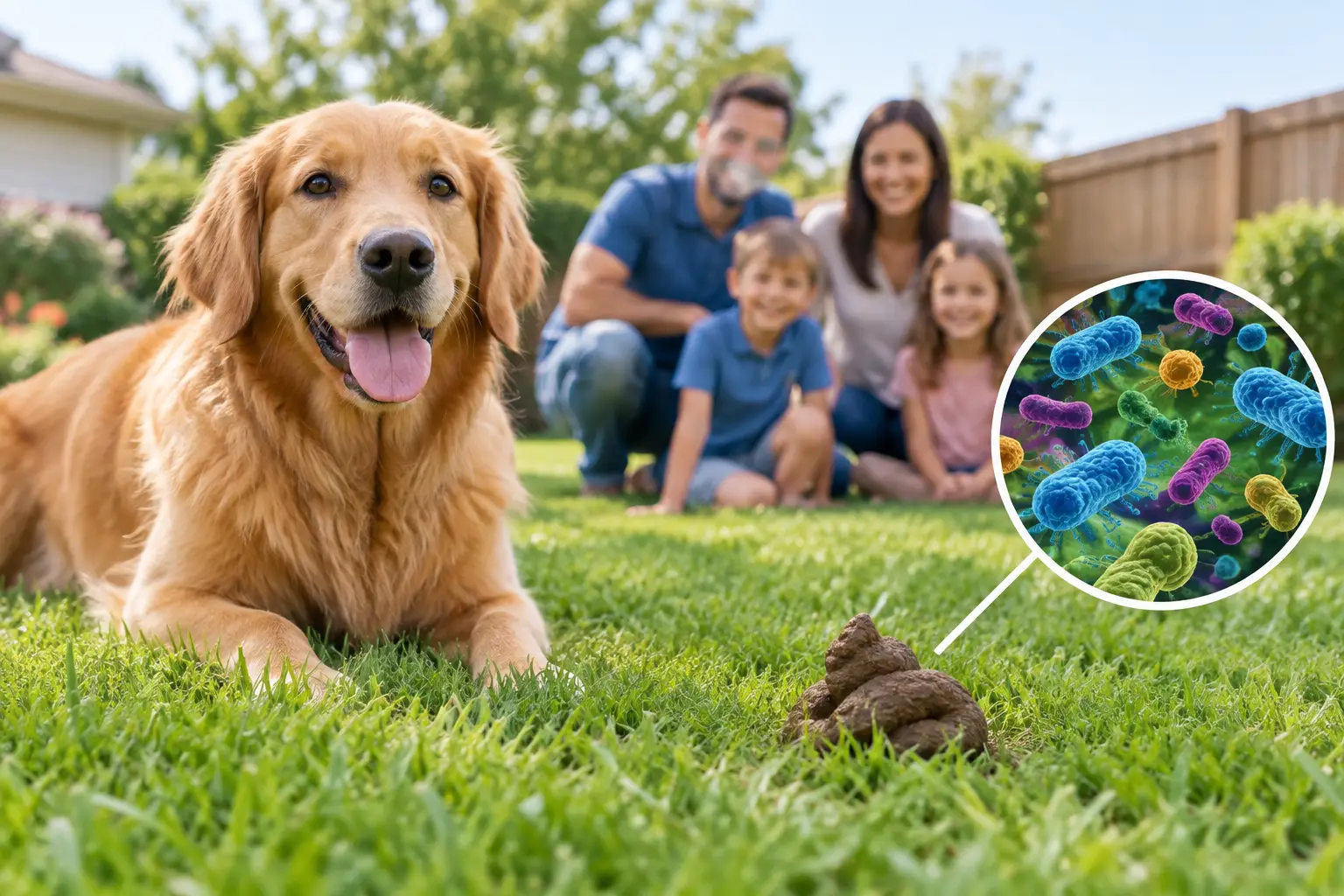
A backyard can look clean from the patio and still have a sanitation problem underfoot. Dog waste bacteria do not disappear when the poop dries out, blends into the grass, or gets overlooked behind a shrub. For families who use their yards for playtime, barbecues, and everyday dog breaks, staying ahead of waste is about more than avoiding an unpleasant surprise on a shoe.
Fresh cleanup is one of the simplest ways to keep a private yard more usable and reduce the chance that germs, parasites, odors, and pests build up over time. It matters even more in a multi-dog household, where a few missed pickups can turn into a much bigger job quickly.
What dog waste bacteria can be in a yard?
Dog stool may contain bacteria that can make people or other pets sick, including organisms such as E. coli, Salmonella, Campylobacter, and certain strains of Clostridium. A dog can carry some of these germs without appearing ill. That is why healthy-looking pets can still leave waste that deserves careful handling.
The concern is not that every pile causes illness. Risk depends on many factors, including what the dog is carrying, how much exposure occurs, and whether anyone touches contaminated soil and then touches their mouth or food. Young children, older adults, pregnant people, and anyone with a weakened immune system should be especially careful around pet waste and outdoor areas where it may have been left behind.
Dog waste can also contain parasites and parasite eggs, such as roundworms, hookworms, Giardia, and Cryptosporidium. Not every parasite behaves the same way. Some need time in the environment before becoming infectious, while others can spread more readily through contaminated water, soil, paws, or hands. The practical takeaway is straightforward: do not let waste sit longer than necessary.
How bacteria moves beyond the poop pile
The obvious hazard is direct contact. A child reaches for a ball near an old pile, someone steps in waste and walks inside, or a dog sniffs and then licks a family member’s hand. But contamination can move in less obvious ways, too.
Rain or irrigation can wash small particles into low spots in the yard, landscaping, sidewalks, and storm drains. In Las Vegas and Henderson, a dry yard may seem like a low-risk yard, but scheduled watering can still move waste residue through grass and soil. Hot weather can dry out a pile and intensify odor, yet drying alone is not a dependable sanitation method.
Flies and other pests are another reason not to leave waste around. They are attracted to it and can travel from pet waste to outdoor tables, trash cans, and other surfaces. Dogs may also track residue on their paws, particularly in high-traffic areas near gates, patios, and pet doors.
Why routine pickup makes a real difference
Picking up dog waste promptly reduces the amount of material available to spread through the yard. It also keeps parasite concerns, pest activity, and odor from compounding week after week. One missed pile may not feel urgent, but regular missed cleanup creates the conditions that make a yard unpleasant and harder to restore.
For most households, a weekly service schedule is a practical baseline. Homes with several dogs, active children, frequent backyard entertaining, or small yards often benefit from more frequent cleanup. A single-dog home with limited yard use may be comfortable with bi-weekly service, while a one-time cleanup can help reset a yard that has gotten away from the household.
There is no single schedule that fits every property. The right frequency depends on dog count, yard size, where pets tend to go, and how often people use the space. The goal is consistency, not perfection. A schedule that actually gets completed is far more useful than a plan to pick up “later” that keeps getting pushed to the weekend.
Cleanup is only part of good backyard hygiene
Removing waste is the first step, but it should be paired with a few sensible habits. Wash hands with soap and water after picking up poop, gardening, or handling pet toys that have been outside. Teach children to avoid touching dog waste and to wash up before snacks, even if they were only playing in the grass.
Keep shoes used in the yard from tracking visible mess indoors. If your dog has stepped in waste, wipe or rinse paws before they come inside, especially if they spend time on furniture or around young children. Regular veterinary care, fecal testing when recommended, and parasite prevention can also help lower the chance that your dog is shedding certain harmful organisms.
Avoid treating dog poop as fertilizer. It does not belong in a vegetable garden, and it should not be left to break down in areas where children or pets play. Bagged waste should go into the appropriate trash container, not into a compost pile intended for garden use.
What about yard sanitizers?
Pet-safe sanitizing can be useful after waste removal, particularly in designated potty areas, around artificial turf, or in spots with lingering odor. It can help freshen a space and support a cleaner routine, but it is not a substitute for physically removing the waste first.
Sanitizers also have limits outdoors. Sun, dust, irrigation, organic material, and uneven surfaces all affect how well a product works. Use products as directed, keep pets away for the recommended time, and avoid assuming that a quick spray makes an area completely germ-free. A clean yard is built through regular pickup, appropriate products, and good household habits.
Shared pet areas need extra attention
The same issues apply to apartment dog runs, HOA common areas, parks, and business properties, but shared spaces have more variables. More dogs means more waste, more paws, and more opportunities for contamination to travel. A missed cleanup in a busy pet area can affect dozens of residents and visitors.
Property managers and HOA boards should think beyond installing waste stations. Bags and signs are helpful, but they work best alongside a dependable cleanup routine, visible maintenance standards, and prompt attention to recurring problem areas. Clean common spaces are easier for residents to enjoy and easier for staff to maintain.
When professional cleanup is worth it
Many dog owners start with the best intentions, then find that travel, long workdays, summer heat, or multiple dogs make the chore hard to keep up with. That is not a failure. It is a sign that the yard needs a service routine instead of a wishful one.
Professional pet-waste removal provides consistency and removes one more task from the household list. At Poo Pickers®, uniformed technicians remove waste on a schedule that fits the property, disinfect equipment between yards, and provide service notifications and closed-gate photos after the visit. Those small operational details matter when someone is entering your yard and when you want proof that the work was completed.
For a yard that has been neglected, an initial or one-time cleanup can create a clean starting point. After that, recurring visits help prevent the buildup from returning. There are no contracts needed to make a practical choice for your home.
A cleaner backyard does not require turning outdoor life into a germ-free science project. It requires regular waste removal, simple handwashing habits, and a routine you can rely on. When the dirty work is handled consistently, the yard is ready for the moments you actually want to spend there.