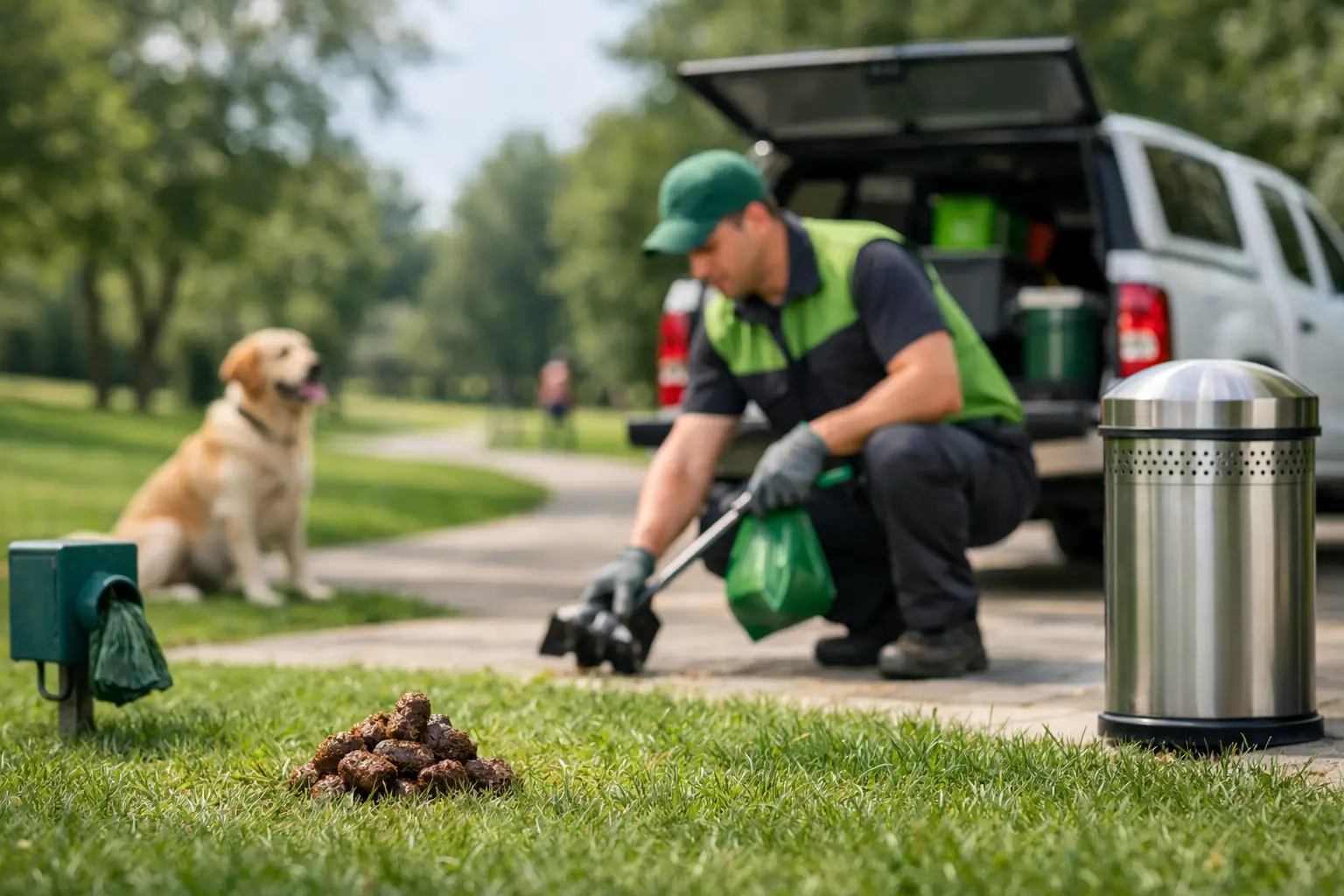
A park can have fresh landscaping, new benches, and a great dog-friendly reputation, yet one missed cleanup routine can change how people use the space. Dog waste left along walkways, near playgrounds, or in open grass creates odor, attracts pests, and makes families and pet owners think twice before coming back. Reliable dog waste removal for parks is not a cosmetic extra. It is a practical part of maintaining a safe, usable community space.
For park managers, HOA boards, apartment operators, and businesses with shared outdoor areas, the goal is simple: give people a clean place to walk, play, relax, and spend time with their dogs. That takes more than adding a waste station and hoping every visitor does the right thing. It takes a cleanup plan that is visible, consistent, and built around how the property is actually used.
Why Dog Waste Becomes a Park Management Problem
A single dog can produce more waste than most people realize over a week. In a public park or shared pet area, that adds up fast. High-traffic spaces may see dozens of dogs in a day, especially near apartment communities, neighborhood trails, dog runs, and family parks.
When waste remains on the ground, it can be tracked onto sidewalks, shoes, strollers, and vehicle tires. Rain or irrigation can carry it toward drains and landscaped areas. It can also contain bacteria and parasites that create concerns for people and pets. The risk varies with conditions and use, but the operational issue is the same: leaving it behind lets a small maintenance problem become a property-wide complaint.
There is also a straightforward perception issue. Visitors do not separate a dirty lawn from the rest of the property. If the dog area is neglected, they may assume the playground, common areas, and landscaping receive the same level of care. For communities trying to protect resident satisfaction and property value, that impression matters.
What Effective Dog Waste Removal for Parks Looks Like
The best cleanup programs are routine-based rather than complaint-based. Waiting for a resident, visitor, or maintenance worker to report a problem means the mess has already been sitting in a shared space. Regular service keeps the area manageable before it reaches that point.
Frequency depends on the size of the park, the number of dogs using it, the season, and whether the space includes a fenced dog run. A quiet neighborhood green space may need a less frequent visit than a heavily used apartment dog park. In Las Vegas and Henderson, warm weather can make odor build quickly, while busy evening and weekend use can leave a noticeable mess by the next morning.
A dependable service provider should walk the full service area, not just make a quick pass near the waste stations. Waste is often left along fence lines, behind shrubs, beside pathways, and in corners where people think it will not be noticed. Those are the areas that make a park feel poorly maintained when they are missed.
Cleanups should fit the property, not a generic route
A small fenced dog run, a large community park, and a pet-friendly apartment courtyard have different needs. The right plan considers the layout, the busiest times of day, access instructions, disposal requirements, and whether the property has one dog area or several scattered pet-relief zones.
For example, an HOA may need recurring cleanup of a community dog park plus nearby walking paths. An apartment operator may need close attention to pet stations around multiple buildings. A business with outdoor seating may need service scheduled before customers arrive. A good plan accounts for these details instead of treating every property like a standard backyard.
Waste Stations Help, But They Are Not the Whole Solution
Pet-waste stations are useful. They put bags and disposal bins where people need them, make expectations clear, and encourage responsible pet ownership. But stations do not remove the waste that has already been left behind, and they do not guarantee bags will be used every time.
Stations also need regular attention. Empty bag dispensers, overflowing trash bins, and broken receptacles can make a well-intended amenity look worse than no station at all. A park manager should treat stations as one part of the system: encourage pickup, provide convenient disposal, and schedule regular ground cleanup.
Clear signage can support that effort. The message does not need to be harsh. A simple reminder that the area is shared by children, neighbors, and pets is often more effective than a threatening notice. Still, signs work best when the property itself shows that cleanliness is being actively maintained.
The Operational Details That Build Trust
For a property manager or board member, hiring a service is not only about getting the waste removed. It is about knowing the work will be completed consistently without creating another task to manage.
Look for a provider that is licensed and insured, uses uniformed technicians, and has a clear process for arrivals and service completion. Notifications can help a manager coordinate access or answer resident questions. Completion updates offer simple confirmation that the scheduled visit happened.
Equipment practices matter too. Tools should be disinfected between service areas to reduce the chance of transferring contaminants from one property to another. If gates or enclosed areas are involved, a post-service closed-gate photo provides useful accountability and helps protect the safety of dogs that may use the space later.
These details may sound small, but they reduce the common frustrations that come with outsourced maintenance: missed visits, unclear access, unsecured gates, and uncertainty about whether the work was done. Poo Pickers® approaches park and common-area cleanup with those same accountability standards, so property teams are not left chasing updates.
A Cleaner Park Supports More Than Appearance
The most obvious benefit of regular pickup is a cleaner lawn. The broader benefits show up in how people use the property. Parents are more comfortable letting children run in the grass. Dog owners can focus on their pets instead of scanning every step. Residents can use paths and common areas without unpleasant surprises. Maintenance crews spend less time responding to preventable complaints.
Routine removal can also help protect landscaping. Waste can discolor grass and leave concentrated spots that affect the appearance of irrigated areas. That does not mean every brown patch is caused by pets, especially in desert climates where heat, irrigation coverage, and soil conditions play a role. But reducing waste exposure is one sensible part of keeping turf and common areas looking cared for.
For apartment communities and HOAs, cleaner pet amenities can also reduce tension between dog owners and non-dog owners. Pet-friendly policies work better when the shared spaces remain enjoyable for everyone. Consistent cleanup shows that management welcomes pets while taking community standards seriously.
Choosing the Right Service Frequency
There is no single schedule that works for every park. A low-use community area may be fine with weekly service, while a popular dog run might need multiple visits each week. The right frequency is usually based on foot traffic, dog traffic, size, and how quickly complaints or odor develop between cleanings.
Start by looking at the area after its busiest period. If waste is already visible along the main paths or the dog area feels unpleasant by the next day, the schedule likely needs to be more frequent. If the park remains clean between visits, a less frequent plan may be appropriate.
Seasonal adjustments can help as well. During busy community events, school breaks, or periods of heavier outdoor activity, temporary extra service may make sense. Flexible scheduling is useful because property needs change. A long contract with an inflexible service level can create unnecessary expense in slow periods and insufficient cleanup when traffic rises.
Set Clear Expectations From Day One
A strong park waste-removal program begins with a clear service scope. Define the areas to be cleaned, the expected frequency, access instructions, disposal approach, and the process for reporting a concern. This keeps everyone on the same page, from the board or management office to the onsite maintenance team.
It also helps to designate one point of contact who can approve adjustments if conditions change. That prevents small issues from sitting unresolved because nobody is sure who is responsible. The service provider should make communication easy, not add another layer of follow-up for a busy manager.
A clean park tells residents and visitors that the property is cared for in the details, not only when a complaint comes in. Regular dog waste service is one of those behind-the-scenes routines that people may not notice when it is done well. They simply notice that the grass is usable, the paths are pleasant, and the park feels ready for the next family, neighbor, or four-legged visitor.