A clean yard can turn into an obstacle course faster than most dog owners expect. When people search for ways to “dispose dog waste,” they usually want a simple answer: get it out of the yard, contain the smell, and make sure children, pets, and guests can use the space without an unpleasant surprise.
The safest everyday approach is also the most practical: scoop waste promptly, seal it in a durable bag, and place it in your regular trash according to your local collection rules. That keeps waste from sitting in the grass, attracting flies, creating odors, or getting tracked into the house. The details matter, though, especially in Las Vegas, where heat can make a missed cleanup smell worse in a hurry.
How to Dispose of Dog Waste in a Home Yard
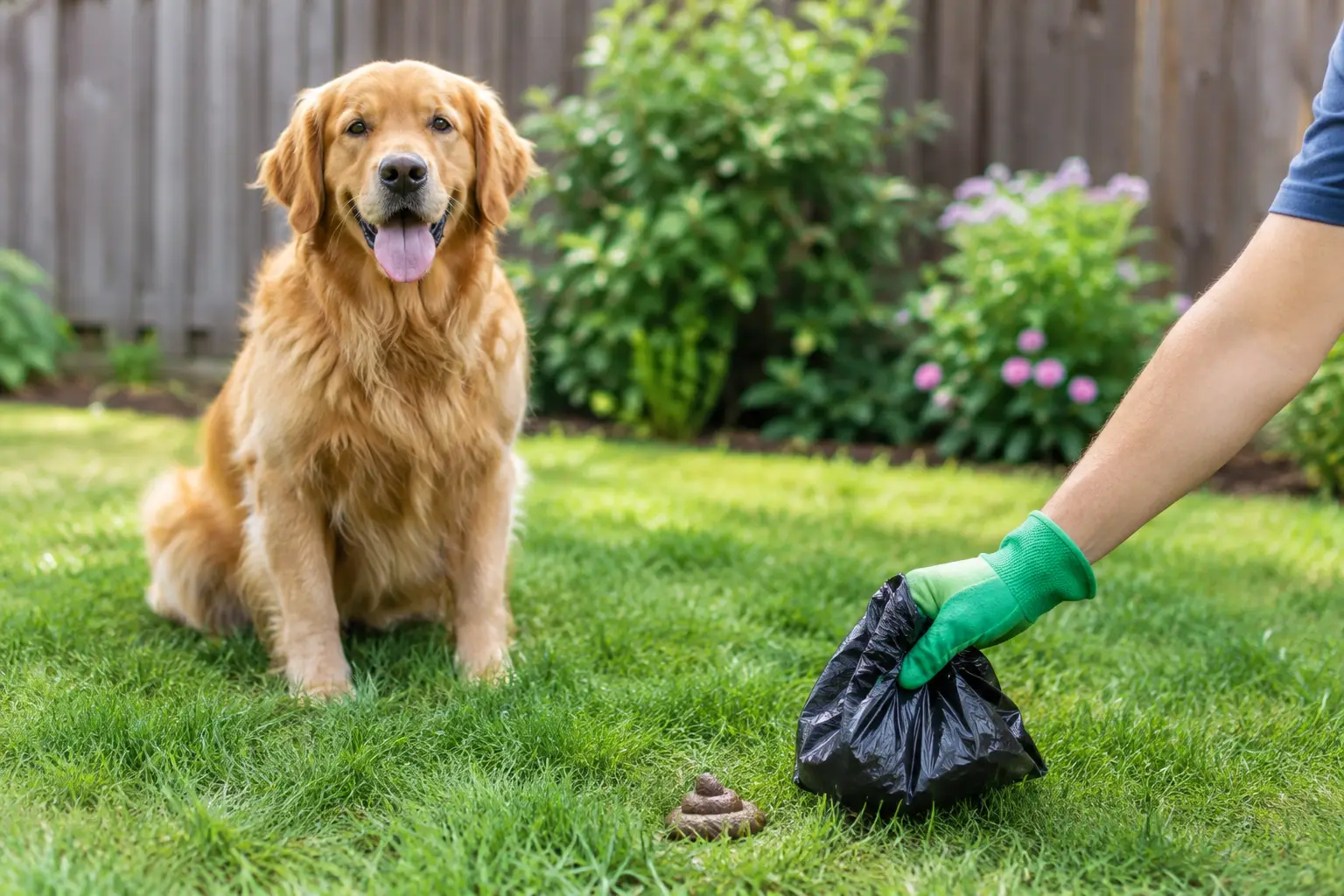
Dog waste should be picked up with a pooper scooper, rake, or disposable bag, then placed in a bag that closes securely. Tie it tightly before adding it to your outdoor trash bin. For homes with multiple dogs or a weekly trash schedule, placing tied bags inside a designated, lidded container before trash day can help control odor and keep pests away.
A thin grocery bag may be tempting, but it can tear or leak, particularly when waste has been sitting in the sun. Use purpose-made pet-waste bags or another sturdy bag, and check it for holes before carrying it through the yard. If you use a scooper, keep it for pet-waste cleanup only. It should not be used later for gardening, food, or other household tasks.
Regular pickup is better than letting piles build up for a weekend cleanup. Fresh waste is easier to collect cleanly, and removing it quickly reduces the chance that a dog, child, or shoe steps in it. In hot weather, even one missed pile can become a source of odor and flies.
Why You Should Not Leave Waste to “Break Down”
Dog poop is not a lawn fertilizer. Unlike manure from plant-eating farm animals, dog waste can carry bacteria and parasites that do not belong in a family yard. Rain or irrigation can move waste residue toward drains and landscaped areas, while flies and other pests may be drawn to piles left on the ground.
There is also the lawn damage to consider. Waste can leave brown or patchy spots, especially where dogs return to the same part of the yard. Removing solids consistently helps preserve the space you pay to maintain, whether it is natural grass, artificial turf, rock landscaping, or a small patio area.
For households with children, this is more than a cosmetic issue. Kids play close to the ground, touch outdoor surfaces, and may not always wash their hands as thoroughly as they should. A yard that looks clean but has days or weeks of pet waste hidden around it is not as usable as it should be.
Can You Flush Dog Waste Down the Toilet?
It depends on your local wastewater rules. Some communities allow small amounts of dog waste to be flushed without a bag, while others advise residents to use the trash instead. Never flush plastic or compostable pet-waste bags, wipes, paper towels, or any other bag labeled as flushable. Those products can contribute to plumbing and sewer problems.
Before choosing this option, check your local utility guidance and think practically about your household. Carrying waste through the house can create its own mess, especially after a large cleanup or during a busy family morning. For most yard cleanups, securely bagging waste and placing it in the trash remains the easiest routine.
What About Composting Dog Waste?
Backyard composting is not a good fit for most dog owners. A standard home compost pile usually does not reach or maintain the conditions needed to manage pathogens from pet waste safely. Dog-waste compost should never be used on vegetable gardens, fruit trees, herbs, or anywhere food is grown.
Specialized pet-waste digesters and composting systems are available, but they require careful installation, ongoing maintenance, and the right location. They are not a shortcut for a neglected corner of the yard. In a dry desert landscape, adding water and managing a digester may be more work than many homeowners expect.
If you are considering a pet-waste disposal system beyond the trash, follow its instructions exactly and keep it away from vegetable beds, wells, drainage paths, and areas where children play. When in doubt, bagging and trash disposal is the lower-risk option.
Keep Cleanup Tools and Hands Clean
Picking up the waste is only part of the job. The scooper, rake, bucket, and the soles of your shoes can carry residue from one area to another. Wear disposable gloves when needed, avoid touching your face during cleanup, and wash your hands thoroughly with soap and water afterward.
Rinse and disinfect cleanup tools regularly, especially if more than one dog uses the yard. Choose pet-safe products for any surface treatment, and follow label directions. Strong chemicals are not automatically better. Bleach or harsh cleaners can damage grass, landscaping, and outdoor surfaces, and they may be unsafe if pets walk through the area before it is dry.
If a dog has diarrhea, parasites, or another suspected illness, pick up waste immediately and use extra care with bags and tools. Contact your veterinarian for health concerns. A sanitation routine helps, but it does not replace veterinary advice when a pet is sick.
Make Dog Waste Removal a Routine, Not a Catch-Up Chore
The best disposal method only works if the waste gets picked up often enough. Some one-dog households can stay on top of cleanup every few days. Multi-dog households, families with active kids, or homes that use the yard daily may need a quick pickup every day.
A simple routine can make the job less annoying. Keep bags and a scooper near the gate, pick up after your dog during walks around the yard, and use a sealed bin so you are not carrying loose bags to the trash each time. The goal is to prevent a small task from turning into a large, smelly project.
For property managers, HOAs, and apartment communities, the same principle applies on a bigger scale. Shared pet areas need visible stations, well-maintained bins, and dependable service. A full bin or neglected dog run sends the wrong message to residents and can make an otherwise well-kept property feel uncared for.
When Professional Cleanup Makes Sense
Sometimes the issue is not knowing how to dispose of dog waste. It is finding the time to do it consistently. Recurring professional service is useful for busy households, older pet owners, frequent travelers, multi-dog families, and anyone who wants their yard ready for a barbecue or playtime without doing a sweep first.
Poo Pickers® provides recurring and one-time pet-waste cleanup for Las Vegas Valley yards, with pet-safe sanitizing and deodorizing included. A reliable service should make the process feel accountable: technicians arrive as expected, equipment is disinfected between yards, gates are secured, and you know when the work is complete.
A clean yard is not a luxury reserved for special occasions. It is part of making your outdoor space comfortable for the people and pets who use it every day. Pick up waste promptly, bag it securely, follow local disposal rules, and choose a routine that you can actually maintain.