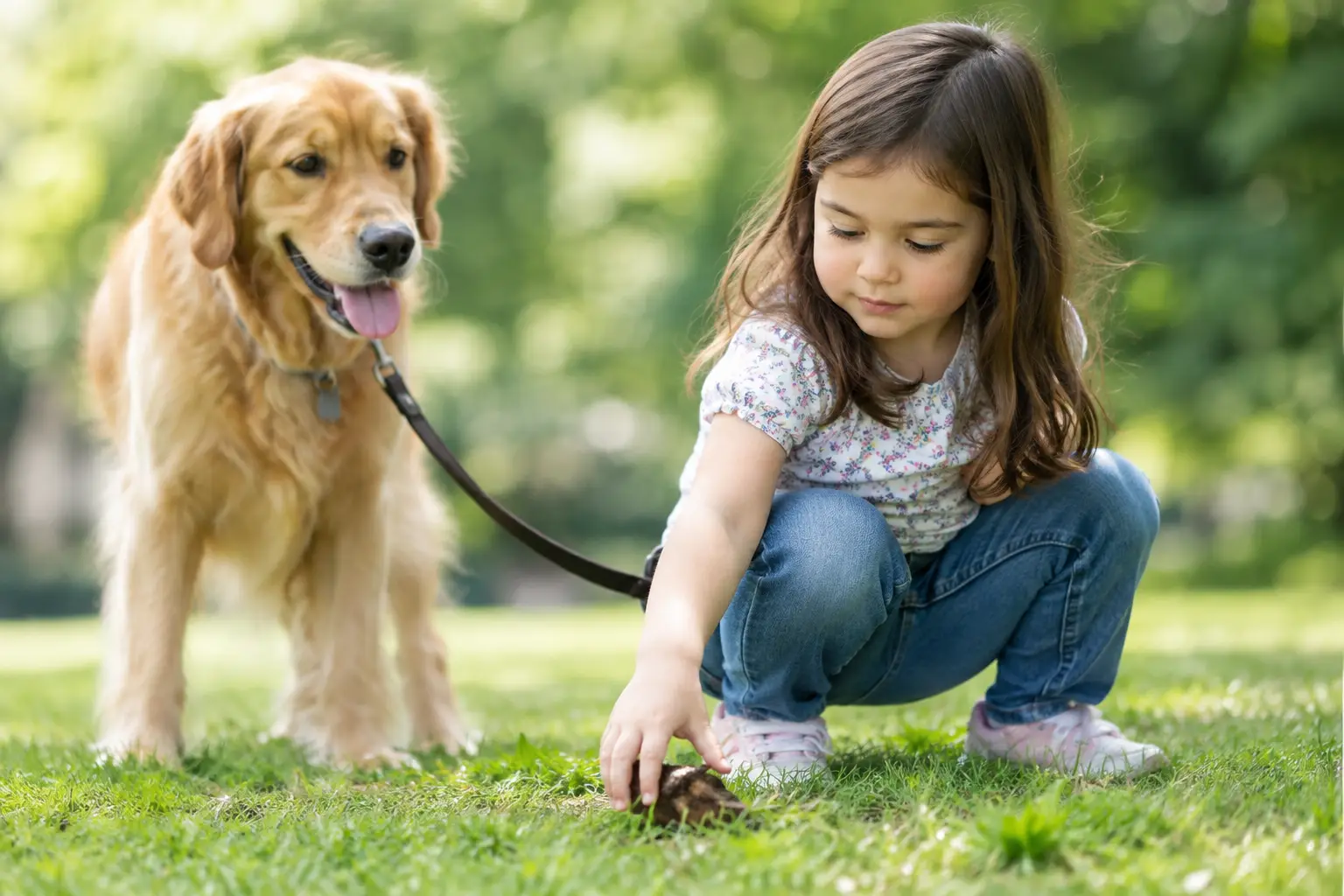
A child drops a ball in the grass, runs barefoot across the yard, then reaches for a snack. That ordinary sequence is why parents ask, is dog waste hazardous to children? It can be. Dog poop may carry germs and parasites that spread when contaminated soil, grass, toys, hands, or paws make their way to a child’s mouth.
That does not mean every pile of poop causes illness or that a family dog makes the backyard unsafe. The risk depends on the dog’s health, whether waste is left sitting in the yard, and how much contact a child has with contaminated areas. But regular pickup is more than a matter of odor or appearances. It is a practical part of keeping a yard ready for kids, pets, guests, and everyday outdoor life.
Is Dog Waste Hazardous to Children? The Short Answer
Yes, dog waste can be hazardous to children because it can contain parasites, bacteria, and other organisms that cause illness. Young children are especially vulnerable to exposure because they play close to the ground, touch everything, and do not always wash their hands thoroughly before eating.
The most common concern is accidental ingestion. A child does not need to eat visible dog poop to be exposed. Microscopic particles can be transferred from grass or dirt to hands, shoes, toys, picnic blankets, and pet fur. The risk is generally lower when waste is picked up promptly and basic handwashing is part of the routine.
A clean-looking lawn is not always a clean lawn. Once waste breaks down or gets stepped on, it can spread into the surrounding area and become harder to notice. In a busy family yard, waiting until the weekend to clean up can leave several days of opportunities for contact.
What Can Dog Poop Carry?
Not every dog carries every germ, and many dogs appear completely healthy while shedding organisms in their stool. That is why veterinarians, the CDC, and public-health agencies encourage routine waste removal and regular veterinary care.
Parasites that can linger in soil
Roundworms are one of the better-known concerns. Dogs can pass roundworm eggs in their feces, and those eggs can become infectious after time in the environment. If a child accidentally swallows contaminated soil or particles from dirty hands, roundworms may cause a condition called toxocariasis. It is uncommon, but it can be serious, particularly if larvae affect the eyes or other organs.
Hookworms are another parasite found in dog waste. In certain conditions, hookworm larvae can move through contaminated soil and enter through skin, creating an itchy, irritated rash. Giardia can also spread through fecal contamination and may lead to diarrhea, cramps, nausea, or fatigue.
The Las Vegas Valley’s dry heat can make a yard feel less risky than a damp, muddy lawn, but heat is not a sanitation plan. Conditions vary by shade, irrigation, soil, and how long waste remains in place. The dependable approach is to remove waste rather than assume sun has handled it.
Bacteria that can cause stomach illness
Dog feces can contain bacteria such as Campylobacter, Salmonella, and certain strains of E. coli. These can cause symptoms including diarrhea, stomach pain, fever, vomiting, or nausea. A child may be more likely to become ill after direct contact with waste, but indirect contact counts too.
Children under five, people with weakened immune systems, and older adults deserve extra care around animal waste. If someone in the household falls into one of those groups, a frequent cleanup schedule and clear play-area boundaries make even more sense.
When Is the Risk Highest?
Risk rises when poop is allowed to accumulate, especially in yards with multiple dogs. More waste means more potential contamination, more flies, more odor, and more chances that a child or pet will step in it and track it indoors.
It also rises when children play directly on grass or dirt. Toddlers who crawl, dig, put fingers in their mouths, or carry outdoor toys inside need closer supervision. Sandboxes, water tables, low picnic areas, and favorite digging spots deserve special attention if dogs have access to them.
A dog with diarrhea creates a different cleanup situation than a firm, normal stool. Loose waste spreads more easily across grass and soil, and it may be a sign that the dog needs veterinary guidance. Keep children and other pets away from the area until it has been thoroughly cleaned.
The risk is not limited to private yards. Shared apartment pet areas, HOA green spaces, dog-friendly parks, and sidewalks can become problem spots when pet waste is missed. Property managers who maintain pet stations and schedule routine cleanup are helping protect the usability of those common areas, not just improving curb appeal.
How to Make the Yard Safer for Kids
The most effective habit is simple: pick up dog waste promptly and consistently. Daily pickup is ideal for households with young children, active outdoor dogs, or more than one dog. A weekly professional cleanup can also be a practical fit when daily scooping is hard to keep up with, as long as families still remove any fresh messes from high-use play areas between visits.
Keep the dog’s bathroom area separate from the places where children play whenever the layout allows. A designated gravel or mulch area may be easier to monitor and clean than a dog that uses every corner of the lawn. It is not a perfect barrier, but it reduces the amount of yard that needs extra attention.
Handwashing remains one of the best protections. Have children wash with soap and water after outdoor play, after handling pet toys, and before eating. Wipe down outdoor toys if they have been left on the ground, especially after a dog has been in the area. If a child steps in poop, remove the shoes before coming indoors and clean the soles well.
Avoid relying on hose water alone. Rinsing a pile into the lawn does not remove the contamination. It can spread material across a wider area and send waste toward drains. Scoop solid waste first, bag it, and dispose of it properly. Then use appropriate pet-safe cleaning methods for hard surfaces such as patios, turf edges, or concrete.
Keep dog health part of the prevention plan
Routine veterinary exams, fecal testing when recommended, and parasite prevention lower the chance that a dog will spread certain intestinal parasites. Puppies deserve particular attention because they are more likely to carry worms. If your dog has diarrhea, visible worms, vomiting, unexplained weight loss, or a sudden change in behavior, call your veterinarian and be more cautious with the yard in the meantime.
Regular grooming can help, too. Dogs can pick up tiny amounts of fecal material on their paws or fur and carry it onto patios, furniture, and floors. Wiping paws after walks and keeping the area around the dog’s rear clean is especially useful for long-haired dogs and dogs with loose stools.
What to Do If Your Child Touches Dog Poop
Stay calm. Most brief exposures do not lead to illness, particularly when hands are washed right away. Remove contaminated clothing or shoes, wash the child’s hands thoroughly with soap and warm water, and clean any affected skin. Wash toys or objects that contacted the waste before they go back into use.
If poop got into a child’s mouth, rinse the mouth and wash hands. Do not try to make the child vomit. Call your pediatrician or poison control for advice based on the child’s age, the amount involved, and any symptoms. Seek medical guidance if your child develops persistent diarrhea, vomiting, fever, stomach pain, unusual fatigue, or eye symptoms after a possible exposure.
Tell the healthcare provider that there may have been contact with dog feces. That detail can help them decide whether testing or follow-up is needed. It is also a good reason to check that the dog is current on veterinary care and parasite prevention.
A Cleaner Yard Gives Kids More Room to Be Kids
Parents should not have to scan the lawn before every game of catch, backyard birthday party, or barefoot dash to the sprinkler. Consistent pet-waste removal makes the yard easier to enjoy, helps reduce odor and pest attraction, and cuts down on the contamination that can follow a missed pile.
For Las Vegas and Henderson households balancing work, kids, and dogs, a recurring service can take one more unreliable chore off the calendar. Poo Pickers provides routine cleanup with pet-safe sanitizing, disinfected equipment between yards, and completion notifications, so you have a clear record that the job was handled. Whether you scoop it yourself or have dependable help, the goal is the same: give children a cleaner place to play and give yourself fewer things to worry about before opening the back door.