A yard can look clean and still need attention. Once dog waste has sat in the heat, been stepped on, washed into low spots, or left behind after pickup, the issue is no longer just what you can see. If you are asking when should yards be sanitized, the practical answer is: after waste removal when odor, frequent use, weather, or health concerns make a simple scoop less than enough.
For dog owners, sanitation is part of keeping the backyard ready for real life. Kids should be able to play, guests should be able to walk outside, and dogs should have a place to stretch out without bringing unpleasant odors or contamination back indoors. Regular poop scooping is the foundation. Pet-safe sanitizing and deodorizing can be the useful follow-up when conditions call for it.
When Should Yards Be Sanitized After Dog Waste?
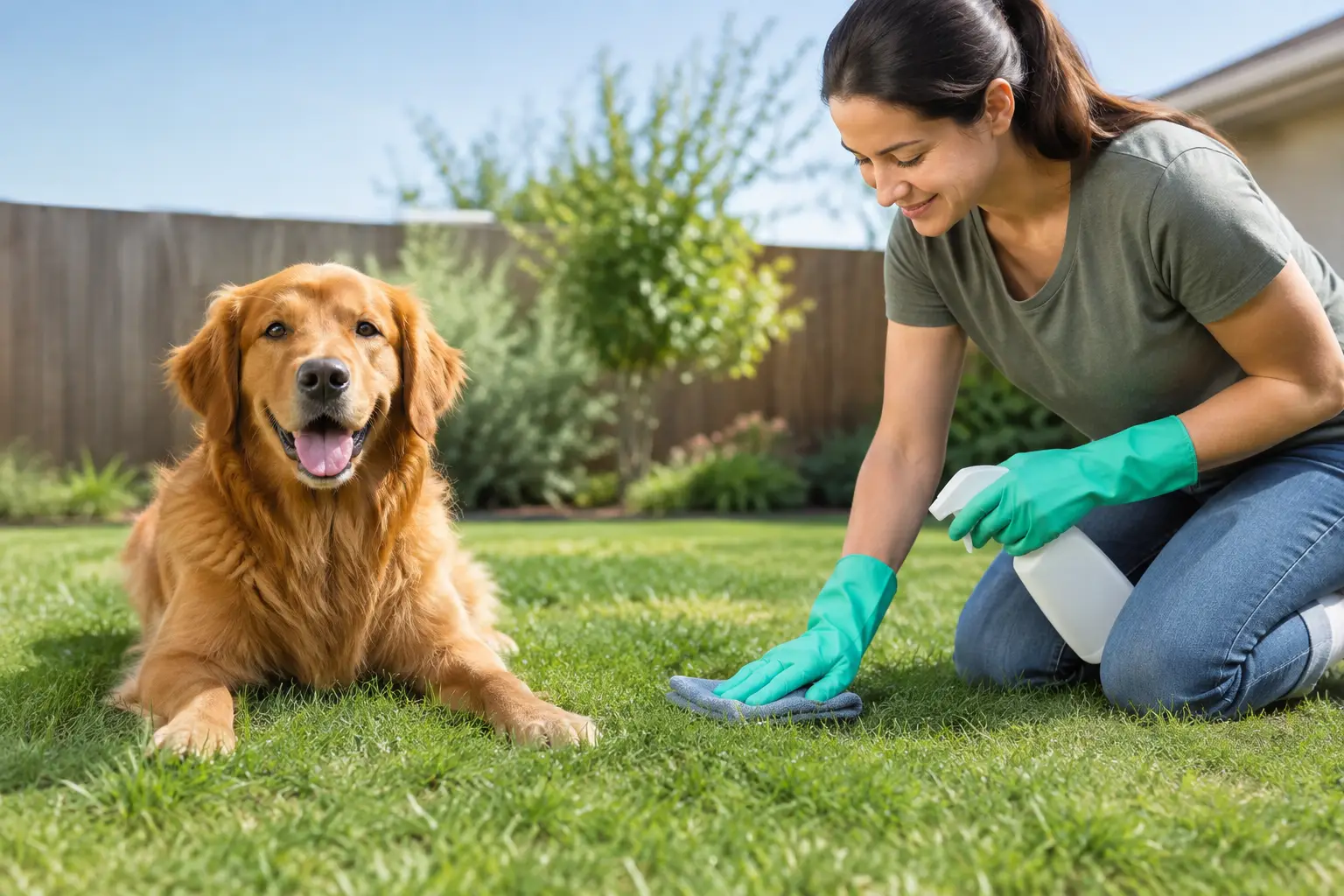
Sanitizing makes the most sense after dog waste has been removed. It is not a replacement for pickup, and it cannot work through piles left on the grass, gravel, pavers, or artificial turf. First remove the source. Then treat the areas where odor or residue may remain.
For many homes, a pet-safe sanitizing treatment is most helpful on a recurring basis when dogs use the yard every day. A one-dog household with a large lawn and consistent weekly cleanup may need it less often than a compact yard with several dogs. The right schedule depends on use, surfaces, weather, and who shares the space.
Sanitize after a buildup or missed cleanup
A missed week can turn into a bigger problem quickly, especially in a multi-dog yard. Waste breaks down, residue settles into turf fibers or gravel, and flies may become more noticeable. After an initial cleanup or a one-time cleanup, sanitation helps reset the space so you are not starting fresh with leftover odor.
This is particularly worthwhile before returning to a regular weekly or bi-weekly service schedule. Think of it as the difference between removing what is there today and making the yard feel clean again.
Sanitize when odor returns before the next cleanup
A strong dog-waste smell is one of the clearest signs that your yard needs more than routine pickup. In Las Vegas and Henderson, high temperatures can intensify odors quickly. Artificial turf can also hold onto smells, particularly in favorite potty spots where urine and moisture collect.
If the yard smells unpleasant even after visible waste is gone, deodorizing and pet-safe sanitizing are reasonable next steps. This is not about masking the odor with a perfume. It is about treating the area after the waste source has been removed.
Sanitize before heavy yard use
Planning a barbecue, birthday party, pool day, or backyard playdate? Schedule cleanup and sanitizing before people arrive, especially if children will be on the grass or guests will be walking around in sandals.
The same idea applies after a long stretch of limited yard use. If you have been traveling, recovering from a busy season, or simply fallen behind on poop pickup, a thorough cleanup followed by sanitizing can make the space comfortable to use again without spending your weekend catching up.
Sanitize after rain, irrigation problems, or drainage issues
Las Vegas does not get frequent rain, but when storms do arrive, they can move waste residue into drains, low areas, and landscaping. Overwatering or a broken irrigation line can create similar issues. Standing water and damp surfaces can make odors linger longer and turn one small problem area into a bigger cleanup job.
After removing waste, pay attention to spots where water pools or runs off. If the same area repeatedly smells worse than the rest of the yard, sanitation can help, but the drainage issue may also need to be corrected. No cleaning treatment can fully solve a yard that regularly holds contaminated water.
Yards That Need More Frequent Sanitizing
Some yards naturally need a little more help. Small yards with multiple dogs get concentrated use. So do homes with artificial turf, gravel runs, shaded corners, dog doors, and narrow side yards where pets tend to go in the same place every day.
Families with young children may also choose more frequent sanitizing because the backyard is part of their daily living space. Children are closer to the ground, more likely to touch surfaces, and less likely to remember where the dogs usually go. The goal is not to create fear around a family pet. It is to keep reasonable hygiene habits in place.
Property managers and HOA boards should consider a regular sanitizing plan for shared dog areas as well. A community pet station or dog run may have dozens of daily visitors, uneven pickup habits, and limited space. Routine waste removal keeps the area presentable; sanitizing supports a cleaner experience for residents and their pets.
What Sanitizing Can and Cannot Do
Pet-safe yard sanitizing is a helpful maintenance service, but it has limits. It can reduce lingering odor and address residue in treated areas after waste removal. It does not repair dead grass, eliminate every outdoor germ forever, or make it safe to leave dog waste in place.
It also should not involve harsh household cleaners that may irritate paws, damage grass, or create problems when dogs lick treated surfaces. Bleach, ammonia-based products, and heavily fragranced chemicals are not a casual backyard solution. A product labeled pet-safe should still be used according to its directions, including any recommended dry time before pets return to the area.
For a household dealing with repeated diarrhea, visible parasites, or a dog diagnosed with an infectious illness, talk with your veterinarian about the right precautions. Prompt pickup becomes even more important in those situations. A sanitation treatment can support cleanup, but it is not veterinary care or a substitute for following your vet’s guidance.
A Practical Schedule for Most Dog Owners
There is no single sanitation calendar that fits every property. Still, most households can use these guidelines to decide what is reasonable:
- Weekly waste removal is a strong baseline for most yards, while multi-dog households or small yards may benefit from more frequent visits.
- Add sanitizing after an initial cleanup, a missed cleanup period, noticeable odor, heavy rain, or a yard event.
- Consider regular deodorizing and sanitizing when dogs use artificial turf or the same potty area daily.
- Schedule a refresh during warmer months if heat makes odors more noticeable between visits.
The key is responding before the yard becomes unpleasant to use. Waiting until the smell is overwhelming or the waste has spread through the space usually means more work, more frustration, and less time enjoying your backyard.
Why Consistent Pickup Comes First
The best sanitation plan begins with dependable waste removal. Dog waste can attract pests, create odor, damage the appearance of a lawn, and leave unwanted residue on shoes and paws. Picking it up promptly reduces the chance that it gets ground into turf, carried indoors, or washed through the yard.
That is why recurring service is often easier than relying on motivation at the end of a long day. Poo Pickers® provides regular and one-time dog waste removal with pet-safe deodorizing and sanitizing as part of the cleanup experience. Uniformed technicians disinfect equipment between yards, and completion updates with closed-gate photos give customers a clear record that the job was done.
There is a trade-off, of course. Not every yard needs a deep treatment after every visit. But regular pickup, paired with sanitation when your yard’s conditions call for it, is a practical way to protect your outdoor space without turning pet cleanup into another household project.
A clean yard should feel like part of your home, not the chore waiting outside. Keep waste pickup consistent, treat odor and high-use areas early, and your backyard can stay ready for dogs, kids, and the next invitation you send.