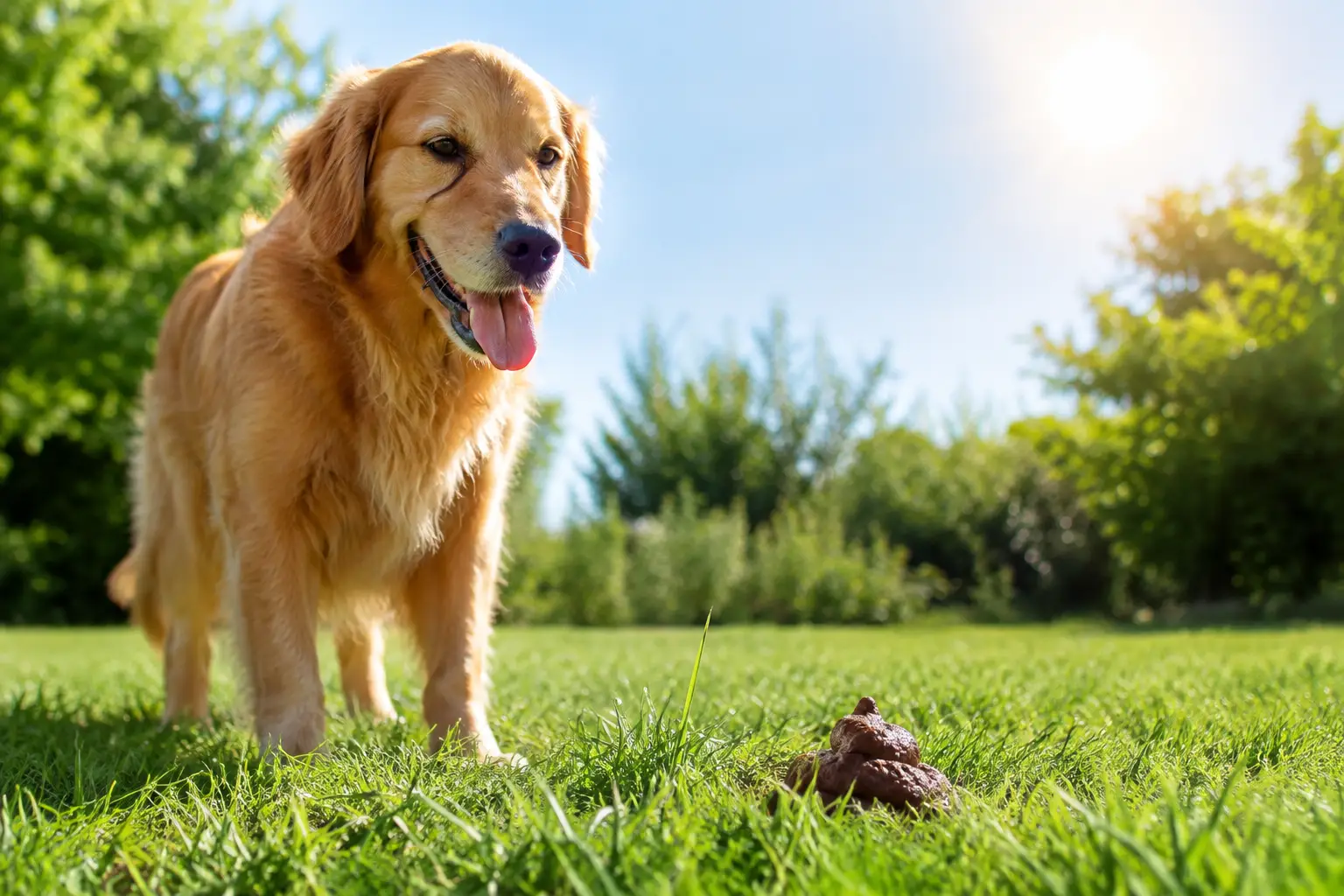
A clean-looking yard can start smelling unpleasant fast when one pile of dog waste sits through a hot afternoon. If you have wondered why dog waste smells worse some days than others, the answer is usually a mix of heat, time, moisture, bacteria, and what your dog has eaten. In Las Vegas, where summer temperatures can turn a backyard into an oven, even a small amount of waste can become noticeable before you have time to enjoy the patio.
Dog poop is more than an inconvenience underfoot. Its odor is a sign that organic material is breaking down, and that process does not pause because the waste is outside. Understanding what makes the smell stronger can help you keep your yard more comfortable for pets, kids, guests, and everyday outdoor time.
Why Dog Waste Smells Worse When It Sits Outside
Fresh dog waste already contains odor-producing compounds from digestion. As it sits, naturally occurring bacteria continue breaking down proteins, fats, and other material. That process releases gases with distinctly unpleasant smells, including sulfur-containing compounds, ammonia, indole, and skatole.
The longer waste remains in the yard, the more opportunity those compounds have to build up and spread. A single pile may not seem like much, but several days of missed cleanup, especially in a multi-dog household, can create an odor that lingers near doors, patios, artificial turf, and shaded corners of the yard.
Dog waste also does not behave like fertilizer. It is typically too acidic and nutrient-heavy to benefit grass, and it can leave yellow or thin patches behind. When waste collects in one area, the odor and lawn damage often show up together.
Heat Makes Odors Travel Faster
High temperatures are one of the biggest reasons dog waste smells worse in Southern Nevada. Heat speeds up bacterial activity and helps odor molecules evaporate into the air. That means a pile that seemed manageable during a cool morning may smell much stronger by midafternoon.
Warm, still air can make the problem feel even more concentrated. If waste is near a block wall, under a covered patio, beside outdoor furniture, or in a small side yard, odors may have fewer places to disperse. Artificial turf can also retain heat, making lingering waste and residue more noticeable.
Dry weather does not always eliminate odor, either. Waste may dry on the surface, but odor-producing material can remain in turf fibers, grass, soil, pavers, and cracks. Then a sprinkler cycle, rainstorm, or hose rinse can rehydrate the residue and bring the smell back.
Moisture Creates a Different Kind of Odor Problem
Moisture and heat are an especially unpleasant combination. Damp conditions can encourage bacterial growth and help odors cling to surfaces. Overwatering around pet areas, poor drainage, or repeated rinsing without fully removing residue may leave a yard smelling sour or stale.
This is why spraying down a pile is not a substitute for scooping it. Water can spread contaminated material into the lawn, across hardscape, or deeper into turf backing. Physical removal comes first. Deodorizing and pet-safe sanitizing work best after the waste itself is gone.
Your Dog’s Diet Can Change the Smell
Not every unpleasant-smelling stool points to a problem, but diet can make a noticeable difference. Foods that are difficult for a dog to digest may lead to larger, softer, or smellier stools. Sudden food changes, rich treats, table scraps, scavenging, and certain supplements can all affect what you pick up in the yard.
A diet high in poorly tolerated proteins or fats may create stronger-smelling waste because more undigested material reaches the colon. Some dogs are simply sensitive to particular ingredients. Others may have a brief digestive upset after getting into something they should not have.
If the change is occasional and your dog otherwise seems normal, it may be temporary. But very foul-smelling stool paired with diarrhea, vomiting, loss of appetite, blood, worms, weight loss, or low energy deserves a call to your veterinarian. Odor alone is not a diagnosis, but a sudden change can be useful information.
Parasites and Bacteria Are Reasons to Take Cleanup Seriously
The smell is unpleasant, but odor is not the only concern. Dog waste can carry bacteria and parasites that may remain in the environment after the visible pile is gone. Dogs can be exposed when they sniff, step in, or lick contaminated areas. Children can also come into contact with contaminated soil or grass while playing outside.
Routine cleanup helps limit that exposure. It also reduces the chance that rain or irrigation will move waste particles toward drains and shared outdoor areas. For homes with puppies, senior dogs, multiple dogs, or frequent backyard play, consistent cleanup is a practical part of maintaining a safer yard.
Flies and other pests are another consideration. Waste left outside can attract insects, and insects do not stay politely in one corner of the property. Removing waste before it builds up gives pests less reason to visit in the first place.
How Often Should You Pick Up Dog Waste?
For most households, weekly cleanup is a good baseline. Homes with more than one dog, smaller yards, frequent entertaining, or artificial turf may need service more often. The right schedule depends on dog count, yard use, weather, and how quickly odor becomes noticeable around your home.
In extreme heat, waiting a full week can be a long time for waste to sit outdoors. A twice-weekly routine may make more sense for busy families with two or more dogs, especially if children use the yard daily or the patio is close to the pet area.
One-time cleanups can also help after a vacation, illness, a busy season at work, or any period when the yard got away from you. There is no prize for catching up alone with a bag and a shovel in 108-degree weather.
Reduce Yard Odor Without Creating Another Problem
The most effective way to reduce dog-waste odor is simple: remove waste regularly and completely. After pickup, a pet-safe deodorizing treatment can help with residual odor on grass, turf, and hard surfaces. It is especially helpful in favorite potty areas where repeat use concentrates smells.
Be careful with harsh household chemicals. Products containing bleach, ammonia, or strong fragrances can irritate paws, damage grass, and create fumes that are not ideal for pets or people. Mixing cleaning products is also unsafe. Choose pet-safe products intended for outdoor use, follow the label, and allow treated areas to dry as directed.
A few yard habits can make a difference too. Pick up waste before watering, avoid letting dogs use the exact same small patch every time when possible, and rinse hard surfaces only after solids have been removed. If you have artificial turf, pay attention to seams, edges, and shaded areas where residue can collect.
A Cleaner Yard Is Easier to Use
Dog waste has a way of turning a perfectly usable yard into a place everyone avoids. The smell follows you onto the patio. Guests watch where they step. Kids lose a play space, and dogs may track residue back indoors.
A dependable cleanup routine removes that burden before it becomes a weekend project. Poo Pickers provides recurring and one-time pet-waste cleanup with pet-safe deodorizing and sanitizing, so homeowners can spend less time managing odors and more time using their yards. Uniformed technicians, disinfected equipment between yards, service notifications, and closed-gate photos add the kind of accountability busy pet owners appreciate.
The goal is not to make a yard smell like perfume. It is to keep it clean enough that the first thing you notice outside is your home, your family, and your dogs – not what they left behind.