A clean-looking scooper is not the same thing as a sanitized one. When you hire a pet-waste company, asking, do scoopers disinfect tools between yards, is a smart question. The answer affects more than appearances. It affects what may be carried from one property to the next, how safe your outdoor space feels for your dog and family, and whether the company treats sanitation as part of the job.
For a professional pooper scooper service, disinfecting equipment between yards should be a standard operating practice, not an optional extra. Pet waste can contain bacteria and parasites, and the tools used to remove it come into direct contact with contaminated material. A responsible technician should prevent that equipment from becoming a vehicle for transferring residue between customer properties.
Do Scoopers Disinfect Tools Between Yards?
They should, and reputable services build that step into every visit. At Poo Pickers®, technicians disinfect their equipment between yards as part of a cleanup process designed around cleanliness, pet safety, and accountability.
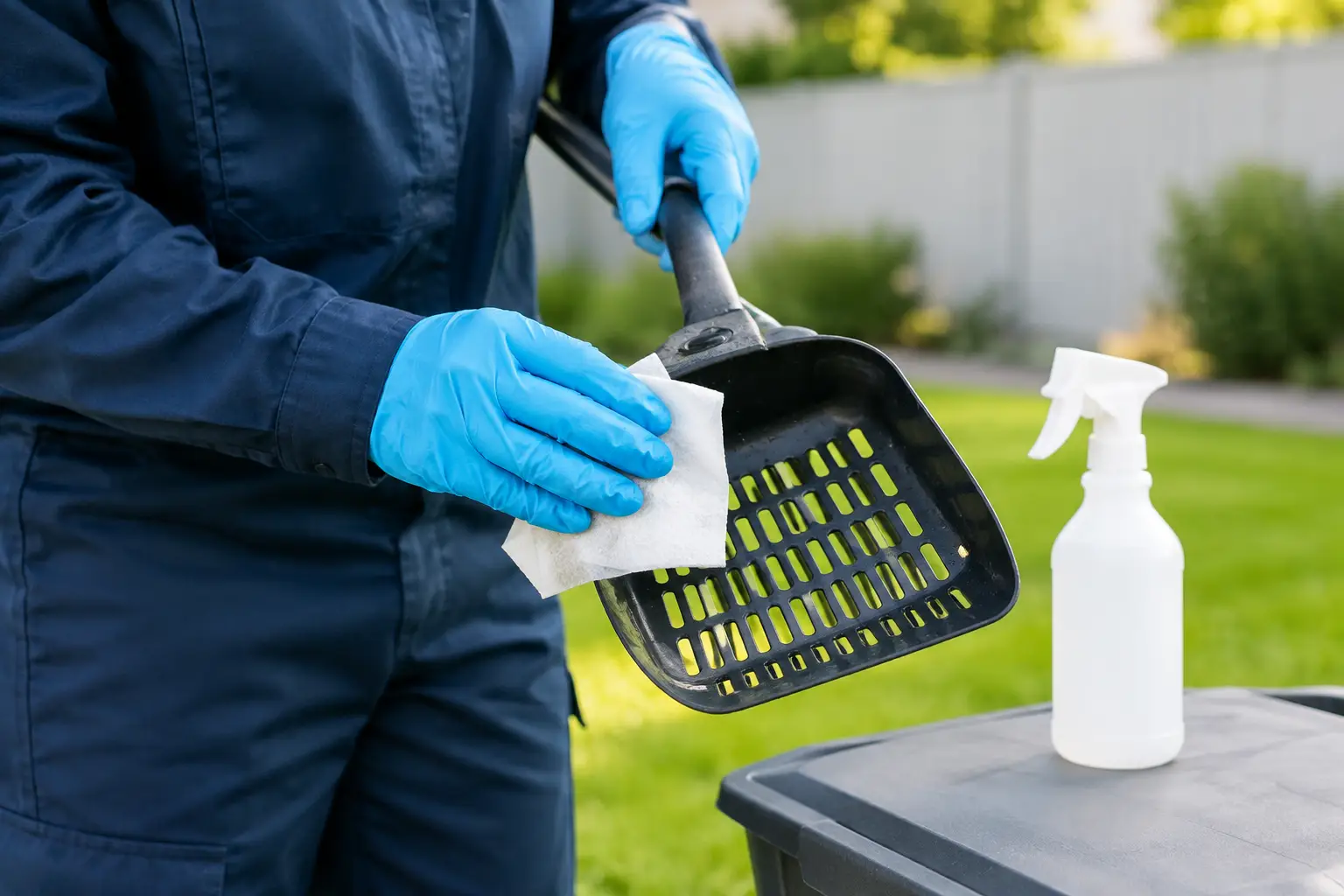
That matters most when equipment has touched waste, damp grass, dirt, or other contaminated surfaces. A scooper, rake, bucket, or tool bag can pick up microscopic residue even when it looks clean from a few feet away. Disinfecting between properties helps reduce the chance that unwanted material travels with the technician to the next home.
The process should also be practical. Technicians need to remove visible waste first, then apply an appropriate disinfecting product according to its directions. Disinfectants need adequate contact time to do their job. Spraying a tool and immediately wiping it dry may look thorough, but it may not provide the level of sanitation the product is intended to deliver.
Why Yard-to-Yard Tool Sanitation Matters
Dog waste is not just an unpleasant backyard chore. It can carry organisms that pose a concern to pets and people, particularly young children, older adults, and anyone with a weakened immune system. Parasites and bacteria can remain in soil or on surfaces, which is one reason public-health guidance consistently encourages prompt waste removal and careful hand hygiene.
No service can promise to make a yard sterile. That would be unrealistic, especially in an outdoor environment where wind, wildlife, standing water, and neighborhood pets can all play a role. The goal is risk reduction. Regular waste removal combined with equipment disinfection is a sensible way to limit avoidable cross-contamination.
In Las Vegas and Henderson, dry conditions can make old waste harder to notice as it breaks apart or gets pressed into gravel and landscaping. During warmer months, odor and flies can become an immediate problem. Consistent cleanup keeps waste from sitting long enough to create a bigger mess, while sanitized tools help ensure the cleanup itself is handled responsibly.
What Responsible Equipment Disinfection Looks Like
A good sanitation process is not complicated, but it needs to be consistent. The technician should use tools that are maintained for pet-waste service, remove debris from the working end of the tool, and disinfect those contact surfaces before moving on to another yard.
The products used matter, too. A professional should select disinfectants suited to the task and use them carefully around pets, landscaping, and household surfaces. More chemical is not automatically better. Overusing harsh products can create its own problems for grass, plants, paws, and patios. The right approach balances sanitation with appropriate product handling.
Just as important, technicians should avoid placing contaminated equipment where it does not belong. Tools should not be set on outdoor furniture, kids’ play equipment, garden beds, or areas where a dog may immediately lie down. A professional crew works with intention: tools stay contained, waste is securely bagged and removed, and the gate is closed before the technician leaves.
Visible accountability helps here. Arrival and completion notifications tell you when service is happening, while a post-service closed-gate photo provides reassurance that your property was secured after the visit. Those details may seem separate from sanitation, but they reflect the same mindset. A company that pays attention to the small steps is more likely to handle the less visible ones correctly, too.
Disinfection Is Different From Deodorizing
These terms are often used together, but they do different jobs. Deodorizing addresses unpleasant smells. It can make patios, turf, gravel, and dog-run areas more enjoyable to use after waste removal. Disinfecting is intended to reduce microorganisms on equipment and applicable surfaces.
A yard may smell fresh after a visit without every tool having been disinfected. Likewise, a disinfected tool does not necessarily make an entire outdoor area smell better. The best service treats both needs appropriately: remove the waste, manage odor when needed, and maintain clean equipment between properties.
If your dog uses one small corner of the yard, you may want deodorizing focused there. If children regularly play on the lawn, sanitation practices may be your biggest concern. Multi-dog homes often benefit from both. A professional service should be able to explain what is included and what is appropriate for your space without making exaggerated promises.
Questions Worth Asking a Pooper Scooper Service
You do not need to know the chemistry behind every disinfectant to choose a careful service. A few direct questions can tell you a lot about how the company operates.
Ask whether tools are disinfected between each customer yard, not merely at the end of the day. Ask whether technicians use dedicated pet-waste equipment and how they prevent it from contacting other areas of your property. You can also ask what happens if a gate is left open, a dog is outside, or weather makes normal service difficult.
The answers should be clear and specific. Vague statements about being clean or sanitary are not the same as an actual procedure. Look for companies that can explain their routine in plain language and back it up with dependable service practices, such as uniformed technicians, notifications, gate-security photos, flexible scheduling, and a satisfaction guarantee.
Insurance and licensing matter as well. A pet-waste company is entering your private outdoor space, often while you are at work or managing a busy household. Professional coverage and documented procedures show that the company takes its responsibilities seriously.
What You Can Do Between Visits
Professional service reduces a recurring chore, but a few household habits can support a cleaner yard. Pick up any surprise messes that appear between scheduled visits, especially after a stomach upset or a visit from a neighbor’s dog. Keep your dog current on veterinary care and parasite prevention based on your veterinarian’s recommendations.
If you notice unusual stool, such as diarrhea, blood, or visible worms, tell your veterinarian and consider letting your scooper service know before the next visit. That information helps the technician take extra care around the affected area. You do not need to handle the situation alone, but clear communication helps protect everyone involved.
It also helps to keep access simple. Unlock the gate before the scheduled window, secure pets indoors or in a separate area, and move any items blocking the usual cleanup path. Those small steps allow the technician to focus on a complete, careful cleanup instead of navigating avoidable obstacles.
Clean Tools Are Part of a Clean Yard
A dependable pooper scooper service should leave you with more than a waste-free lawn. You should feel comfortable letting your dog back outside, inviting friends over for a barbecue, or watching your kids play without wondering whether the job was handled carefully.
Equipment disinfection between yards is one of those behind-the-scenes practices that says a lot about a company. It is not flashy, but it is a meaningful part of protecting the clean, usable outdoor space your household deserves. When you choose a service, choose one that treats every gate, every tool, and every yard with that level of care.