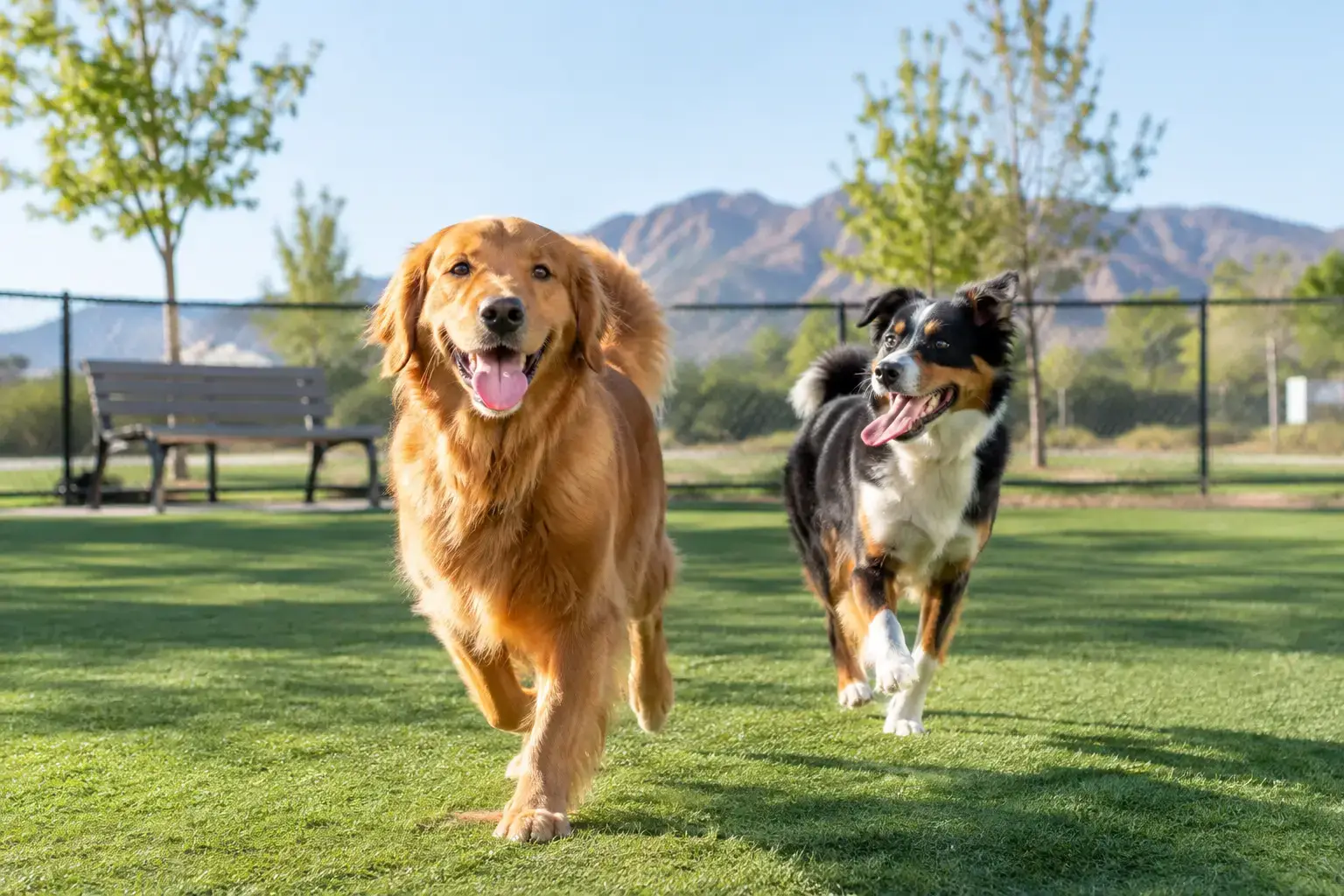
A useful Henderson dog park example starts with a simple test: can a dog run, sniff, and play without its owner constantly scanning the ground for what someone else left behind? A clean park is not just nicer to visit. It is safer for dogs, more welcoming for families, and easier for a property team or community to maintain over time.
For public parks, apartment dog runs, HOA pet areas, and private communities, pet-waste cleanup is one of those details people notice immediately. When it is handled consistently, the space feels cared for. When it is missed, odors, flies, brown grass, and frustrated residents show up quickly.
A Henderson Dog Park Example Built Around Daily Use
Picture a busy fenced dog park in Henderson on a warm Saturday morning. Dogs are chasing tennis balls, owners are talking near the benches, and children are waiting outside the gate with a parent. The space has shaded seating, fresh water access, waste stations near entrances, and clearly marked rules.
Those features matter, but they only work when the park has a dependable cleanup routine behind them. Waste stations need bags that have not run out. Receptacles need to be emptied before odors build. Gates, paths, turf edges, and shaded corners need regular inspection, not just a quick look from the sidewalk.
The best example is not a park that looks good only after a special event or a complaint. It is a park that stays usable on an ordinary Tuesday afternoon. That takes a schedule, accountability, and someone responsible for following through.
Why Pet Waste Becomes a Shared-Space Problem Fast
A single missed pile may seem minor. In a shared dog area, however, a few missed piles become many quickly. Dogs do not stay on a single path, and neither do their owners. Waste gets stepped in, tracked toward cars and homes, and hidden in grass or gravel until someone finds it the hard way.
Dog waste can also carry parasites and bacteria. That is why routine removal is about more than appearances. A cleaner surface helps reduce contact with waste where dogs play, residents walk, and children may be nearby. It also helps discourage pests that are drawn to neglected waste bins and outdoor areas.
In Southern Nevada, heat adds another layer to the problem. Warm temperatures can make odors more noticeable, especially around enclosed runs, artificial turf, decomposed granite, and waste receptacles. A park may look fairly clean from a distance while still smelling unpleasant close to the ground.
Regular cleanup helps protect the landscape, too. Concentrated dog waste can damage grass and leave worn-looking areas around popular spots. Artificial turf does not turn brown, but it still needs waste removed and appropriate pet-safe care to keep the space comfortable for users.
What Dependable Park Maintenance Looks Like
A clean dog park does not require complicated rules. It requires clear responsibilities. The property manager, HOA board, park operator, or maintenance team should know who checks the area, how often they check it, and what happens when the park needs more attention than usual.
For a lightly used private dog run, several visits per week may be enough. A high-traffic apartment community or public-facing park may need daily service, weekend coverage, or additional visits after community events. The right frequency depends on the number of dogs, the size of the area, the surface type, and how quickly waste stations fill.
A reliable service visit should include more than a pass through the center of the park. Technicians should check fence lines, corners, landscaping borders, seating areas, entrance paths, and the space around waste receptacles. These are common places for missed waste and litter.
Equipment practices matter as well. Tools used in one pet area should be disinfected before moving to another property. That helps avoid carrying waste from one shared space into the next. For communities, it is also reasonable to expect a licensed and insured provider, uniformed technicians, and documented service procedures.
Waste Stations Help, But They Are Not the Whole Plan
Well-placed stations make it easier for responsible owners to do the right thing. A station at each entrance is helpful, but a larger park may need another one near the far end or along a popular walking route. Bags should be easy to pull out, and bins should have lids that help control odor and keep loose trash contained.
Still, stations do not replace professional maintenance. Some visitors forget bags. Others may grab a bag but leave it tied beside a bench instead of placing it in the receptacle. A bin can overflow between checks, particularly after a busy evening or weekend.
Clear signage can reinforce expectations without sounding harsh. A short reminder that all dogs must be cleaned up after, paired with accessible bags and regularly emptied bins, gives residents the tools and the reminder they need. The remaining cleanup needs a consistent backstop.
The Difference Between a Quick Cleanup and a Managed Service
There is a real difference between asking a general maintenance worker to clean up when time allows and assigning the task to a scheduled pet-waste service. General maintenance teams have plenty to handle: irrigation, landscaping, repairs, trash, pool areas, and common-area upkeep. Pet waste can fall behind when a day gets busy.
A managed service is designed around the job itself. It provides a recurring schedule, familiar procedures, and a way to confirm that the work was completed. For property teams, that can mean fewer resident complaints and less uncertainty about whether the dog area was checked.
Poo Pickers® provides this kind of recurring service for shared pet-friendly areas across the Las Vegas Valley. Service can be tailored to the property’s dog count, traffic level, and cleanup needs, rather than forcing every community into the same schedule. That flexibility matters because a small HOA dog run and a large apartment pet park do not have the same workload.
Accountability Makes a Noticeable Difference
A property manager should not have to guess whether a scheduled cleanup happened. Service notifications and completion records create a clear chain of accountability, especially when multiple vendors and onsite teams are involved.
For gated or private areas, closed-gate photos can provide added peace of mind. They show that the technician secured the space after leaving, which is particularly valuable where dogs could slip out through an unlatched gate. Uniformed staff also help residents understand why someone is working in the pet area instead of assuming an unfamiliar person wandered onto the property.
The goal is not to make a dog park feel overly managed. It is to keep a shared amenity pleasant without putting more work on residents or staff. Quiet, consistent upkeep is usually what people appreciate most.
When a Park Needs More Than Scooping
Sometimes the problem is not simply missed waste. If odors linger, the surface may need deodorizing with products selected for pet areas. If a site has heavy use, bins may need larger capacity or more frequent emptying. If residents repeatedly report issues near one entrance, the layout may need another waste station or better signage.
A good maintenance partner looks for these patterns instead of treating every visit exactly the same. The right recommendation may be a higher service frequency during peak seasons and a reduced schedule when usage drops. It depends on how the community uses the space, not on a one-size-fits-all plan.
Cleanliness also works best when residents do their part. Owners should pick up after their dogs right away, keep dogs supervised, and report a broken station or overflowing bin before it becomes a larger issue. Professional service supports responsible use. It does not excuse careless behavior.
A well-kept dog park sends a practical message to every visitor: this space is meant to be enjoyed, and the people responsible for it are paying attention. That makes it easier for dogs to play, neighbors to connect, and everyone to head home without bringing the mess with them.