A bag station that stays empty, a dog run with lingering odor, and a few missed piles near the sidewalk can turn a small maintenance issue into a steady stream of resident complaints. Strong HOA cleanup results are more than a visibly cleaner property. They help make shared outdoor spaces safer, more usable, and easier for the board or management team to maintain.
For communities with dog-owning residents, pet waste is a routine property-care responsibility. When cleanup is inconsistent, the problem travels quickly – onto shoes, sidewalks, turf, landscaping, and into conversations at board meetings. A dependable service plan replaces that frustration with a clear standard residents can see.
HOA Cleanup Results Start With a Clear Standard
“Clean” can mean different things to different people. For an HOA, it should mean common pet areas, walking paths, landscaped edges, and other designated service zones are inspected on a reliable schedule and left free of visible dog waste.
The right schedule depends on the property. A small community with only a few dogs may need weekly service. A busy apartment dog run, park-adjacent community, or large HOA with heavy foot traffic may need multiple visits each week. Hot Las Vegas Valley weather can also make odor and fly concerns more noticeable, especially in enclosed pet areas or around artificial turf.
A good cleanup program sets expectations before service begins. The provider and property manager should agree on which areas are included, how often they are serviced, where technicians enter, and how issues such as locked gates or temporary construction are handled. That clarity prevents the most common disappointment in recurring service: everyone assuming someone else is covering a problem area.
The Visible Signs of Better HOA Cleanup Results
The easiest result to spot is a cleaner dog area. But property managers and board members should look beyond a single clean visit. The real value is consistency over time.
Residents should be able to walk their dogs, let children play nearby, or use a greenbelt without constantly watching the ground. Common areas should have fewer odor complaints, fewer reports of waste near sidewalks, and less mess tracked into homes or building entrances. Landscaped spaces also tend to look better when waste is not left to discolor grass, attract pests, or get pushed into rocks and shrubs.
The operational signs matter, too. Reliable providers communicate when they arrive and complete service. They keep a record of access issues and let management know when a gate is locked, a dog area is closed, or a problem requires attention. These details may sound basic, but they are what turn a cleanup service into an accountable maintenance partner.
Fewer Complaints Is Useful Data
Resident complaints are not the only measure of service quality, but they are meaningful. A decrease in repeated complaints about dog waste, odor, or unsightly pet areas usually means the service frequency and coverage are closer to what the community needs.
That said, no provider can prevent every resident from leaving waste behind immediately after a visit. This is where realistic expectations help. A scheduled cleanup keeps areas maintained, while bag stations, posted rules, and reminders encourage residents to do their part between visits. The best results come from both pieces working together.
Clean Areas Support Property Appearance
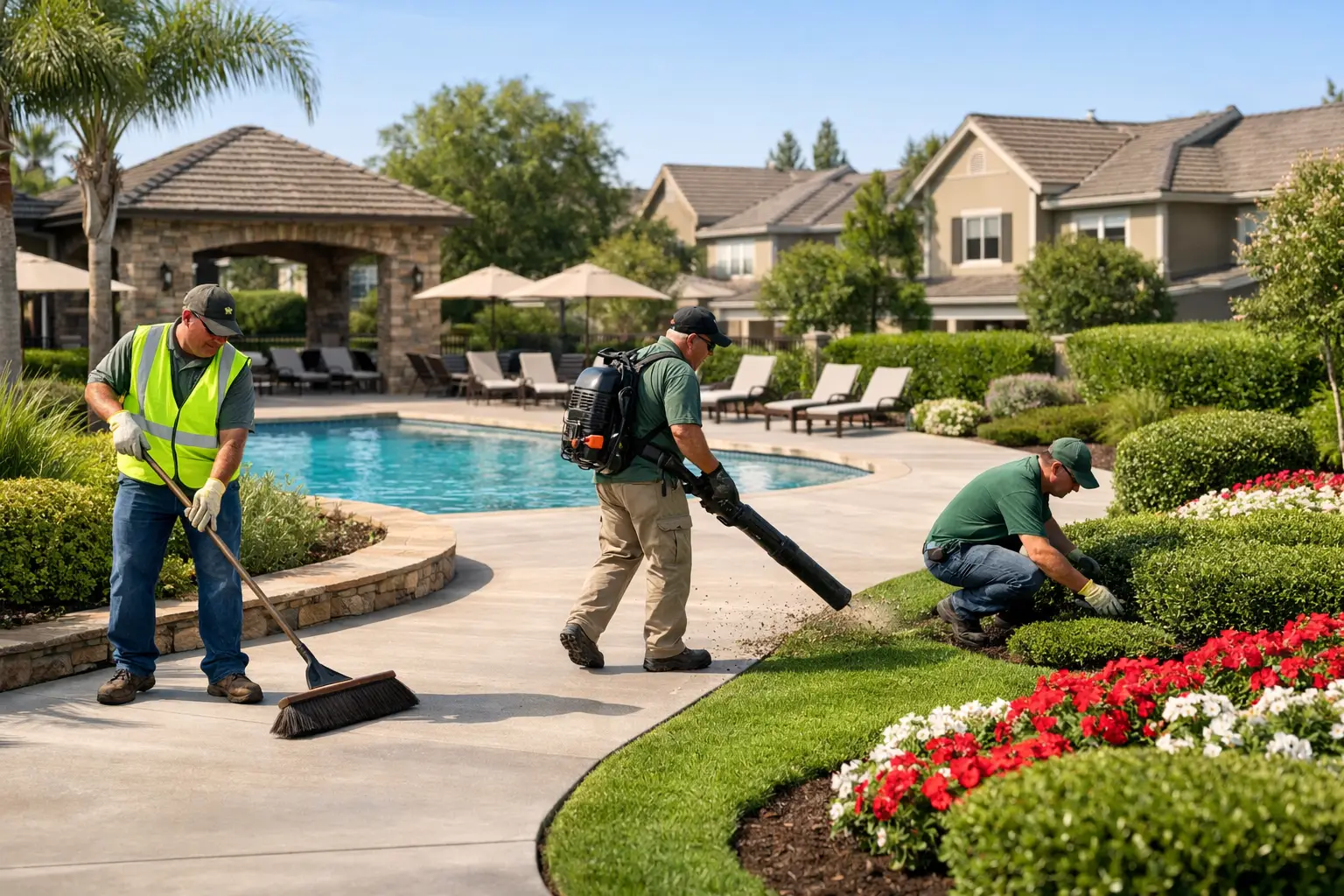
Pet waste is small, but its effect on curb appeal is not. It can make an otherwise well-maintained community feel neglected. This is especially true near entryways, mailboxes, sidewalks, pool-adjacent landscaping, and community dog parks where residents and guests naturally spend time.
When shared spaces look cared for, residents notice. The community feels more comfortable for dog owners, families, visitors, and prospective renters or buyers. Cleanup is not a replacement for landscaping, trash service, or groundskeeping. It supports all of them by removing a recurring source of odor, stains, and preventable mess.
What a Dependable HOA Cleanup Service Should Include
HOA boards do not need a complicated program. They need a service that shows up, covers the agreed areas, communicates clearly, and corrects issues quickly. Before choosing a provider, ask how routes are documented, whether technicians are insured, and what happens if a scheduled cleanup is missed or incomplete.
A professional provider should also have a process for sanitation. Waste tools and footwear can carry material from one property to another if they are not properly handled. Equipment disinfection between service locations and responsible disposal procedures are practical safeguards, not unnecessary extras.
For many communities, the most useful service features include arrival and completion notifications, uniformed technicians, clear service boundaries, and responsive communication with the property manager. If access is through a gate, photo confirmation after service can provide an added layer of confidence that the area was secured when the technician left.
Poo Pickers® provides these types of accountability measures for HOA and commercial clients, including insured service, technician notifications, disinfected equipment, and a satisfaction guarantee. Those details help managers spend less time following up on routine cleanup work.
Match Frequency to Foot Traffic, Not Just Property Size
A large HOA does not always need more frequent cleanup than a smaller one. The deciding factor is usually dog traffic and how concentrated it is. One active dog run may need more attention than several acres of lightly used open space.
Start by considering the number of dogs, the number of pet stations, the location of high-traffic areas, and the property’s existing complaint history. A community with artificial turf may also benefit from periodic deodorizing and pet-safe sanitizing, particularly in spaces that hold heat and odor.
It is better to adjust the schedule based on actual conditions than to choose the lowest frequency and hope it is enough. If cleanup is consistently complete but complaints continue, the issue may be resident behavior, insufficient bag stations, poor station placement, or a need for an additional visit. A service provider should be willing to help identify that difference instead of treating every complaint as the same problem.
How HOAs Can Keep Results From Slipping
Once a cleanup routine is working, simple oversight keeps it working. Property managers do not need to inspect every area after every visit. A short weekly walk-through of key zones can reveal whether service coverage, station supplies, and resident compliance are still on track.
Pay close attention after holidays, community events, heavy rain, landscaping projects, or changes in occupancy. These can alter traffic patterns and create temporary trouble spots. If a new building opens or a dog park becomes more popular, the old schedule may no longer fit.
Communication should stay practical. A friendly reminder about pet-waste rules is usually more effective than a scolding notice. Residents are more likely to cooperate when they understand that prompt pickup protects shared lawns, keeps walkways usable, and makes the community better for everyone.
A Cleaner Community Is Easier to Manage
The best HOA cleanup results do not create extra work for the board. They quietly remove a recurring source of complaints and help common areas stay ready for everyday use. When service is consistent, communication is clear, and the schedule matches real dog traffic, pet waste stops being a property-management headache.
A clean dog area will never replace good resident habits, but it gives those habits a dependable foundation. For an HOA, that means fewer unpleasant surprises on a walk through the neighborhood and more confidence that the community’s outdoor spaces are being cared for as promised.