A clean yard is more than a nice-looking yard. It is where your dog plays, your kids run barefoot, and your family gathers for a barbecue. Knowing how to remove dog poop safely helps protect that space from unpleasant odors, pests, bacteria, and parasites that can linger long after the waste disappears from view.
The good news is that safe cleanup does not require complicated equipment. It does require consistency, the right handling habits, and a plan for disposal. Whether you have one dog or a busy multi-dog household, these steps make the dirty work safer and more manageable.
Start With the Right Cleanup Tools
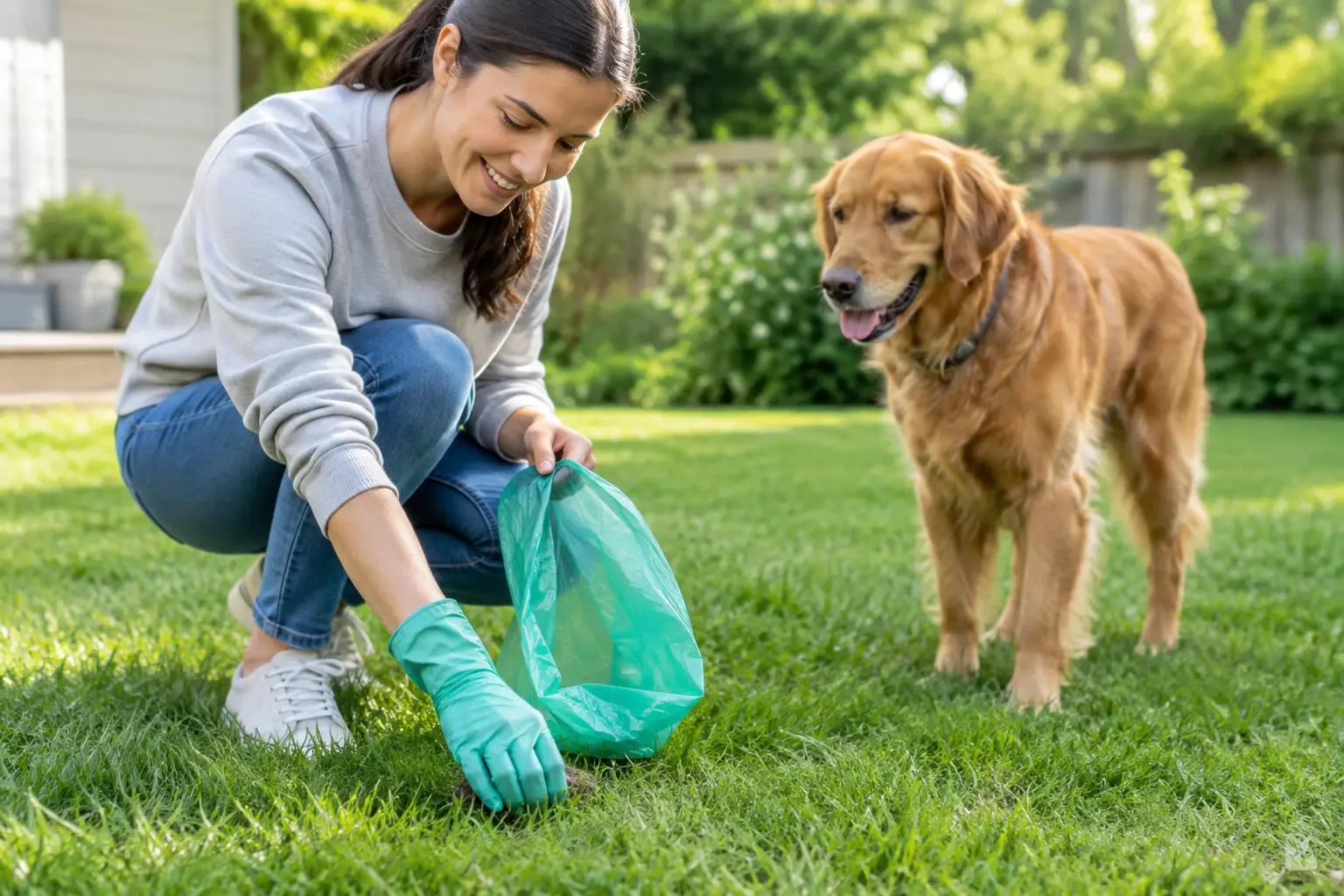
The safest method keeps your hands away from waste and prevents contamination from moving around your property. At a minimum, use a dedicated pooper scooper or rake-and-pan set, sturdy disposable bags, and disposable gloves if you prefer an added barrier.
A long-handled scooper is especially helpful in larger yards because it lets you collect waste without crouching close to it. Keep your cleanup tools separate from gardening equipment, toys, hoses, and anything used for food or outdoor entertaining. That simple separation reduces the chance of spreading germs where they do not belong.
Choose bags that will not tear easily. Thin grocery bags can split when waste is soft or when multiple piles are collected at once. If a bag leaks, avoid touching the outside with bare hands and place it inside a second bag before disposal.
How to Remove Dog Poop Safely, Step by Step
Pick up waste as soon as practical, especially after rain, watering, or a stretch of hot Las Vegas weather. Heat can intensify odor quickly, while moisture can make waste smear into grass, gravel, artificial turf, or patio surfaces.
First, put on gloves if you are using them and bring your scooper, bags, and a lined waste container or trash can with you. Walk the yard in a steady pattern instead of searching randomly. Start along the fence line, then work inward in rows. Dogs often return to familiar spots, but checking the full yard prevents missed piles from becoming a bigger sanitation issue.
Use the scooper to lift the waste cleanly from the ground and place it into the bag or collection container. For soft waste, slide the pan or bag underneath first, then use the rake or scraper to guide it in. Avoid pressing waste into the grass or turf. The goal is to lift it, not grind it into the surface.
When the cleanup is finished, seal the bag tightly and place it in your regular outdoor trash, following local waste rules. Do not toss dog waste into a recycling bin. Dog poop also should not be added to a backyard compost pile intended for gardens, since harmful organisms may survive and contaminate soil.
Remove gloves carefully by turning them inside out as you take them off. Then wash your hands thoroughly with soap and warm water. Hand sanitizer can be useful when you are away from a sink, but it is not a replacement for proper handwashing after handling pet waste.
Clean and Disinfect Your Equipment
Picking up the waste is only part of the job. The scooper, rake, pan, and any shoes that stepped near the cleanup area can carry residue you cannot always see.
After each yard cleanup, rinse solid debris from your tools in an area away from vegetable gardens, outdoor dining spaces, and children’s play equipment. Follow with a pet-safe disinfecting product according to its label directions. Let the equipment dry before storing it in a designated spot, such as a utility area or outdoor storage bin.
Do not use the same bucket, brush, or spray bottle for dog-waste tools and household cleaning. Separate equipment is a practical safeguard, particularly in homes with young children, older adults, or anyone with a weakened immune system.
If you are cleaning artificial turf, use a tool designed for turf or a plastic rake that will not damage the backing. Remove solid waste first, then rinse lightly if needed. Too much water can create drainage problems, so use only what the surface needs. A pet-safe turf deodorizer can help with lingering odor, but it works best after routine waste removal, not instead of it.
Why Prompt Pickup Matters for Pets and People
Dog waste is not fertilizer. In fact, leaving it on a lawn can contribute to dead spots, discoloration, and unpleasant odor. It can also attract flies and other pests, turning a small chore into a larger yard problem.
More importantly, dog waste may contain bacteria and parasites. Roundworms, hookworms, Giardia, and other organisms can be a concern, especially when waste is left in shared spaces or areas where children and pets play. Not every pile carries the same risk, but routine pickup lowers the opportunity for contamination to spread through soil, shoes, paws, and runoff.
The CDC and EPA both encourage responsible pet-waste disposal because waste left outdoors can affect neighborhood cleanliness and water quality. That matters in any community, but it is particularly relevant around common dog areas, apartment grounds, parks, and HOA-maintained spaces where many pets use the same patch of grass.
Set a Schedule You Can Actually Keep
For most households, once-a-week cleanup is the bare minimum for maintaining a usable yard. Families with two or more dogs, young children, frequent outdoor gatherings, or small yards often benefit from twice-weekly service or daily spot pickup between scheduled cleanings.
It depends on your dog count, yard size, and how your outdoor space is used. A large backyard with one dog may stay manageable for several days. A compact patio yard shared by three dogs can need attention much sooner. During warmer months, frequent pickup also helps keep smells from taking over the space.
Make cleanup easier by tying it to an existing routine. Do a quick scan before mowing, before guests arrive, or while your dog is outside for its evening break. Keeping bags and a scooper near the gate removes one more excuse to put it off.
Common Cleanup Mistakes to Avoid
One common mistake is hosing dog poop into a drain, street gutter, or landscaped area. This does not make the waste disappear safely. It can spread contaminated runoff and leave residue behind.
Another is waiting until the yard is full before cleaning it. Old waste breaks apart, dries into grass, or smears after irrigation, making it harder to collect completely. Frequent pickup is faster than an occasional major cleanup and is usually much more pleasant.
Finally, do not assume a visibly clean yard is fully sanitized. If a dog had diarrhea, an accident occurred on concrete, or waste was stepped on and tracked across a patio, clean the affected surface with a pet-safe product after removing the solid material. Keep pets and children away until the area is dry.
When It Makes Sense to Call in Help
Sometimes the safest option is not doing the cleanup yourself. One-time cleanups can be useful after travel, illness, a busy season, or move-in and move-out preparations. Recurring service can be a practical fit for multi-dog homes, seniors, busy families, and anyone who wants their yard ready to use without another weekly chore.
Professional service also brings consistency. At Poo Pickers®, uniformed technicians disinfect equipment between yards, provide arrival and completion notifications, and send a closed-gate photo after service. That means less time worrying about what was missed and more confidence that your outdoor space is ready for pets, people, and everyday life.
A clean yard does not have to wait for the weekend. Put safe pickup on a schedule that works for your household, keep your tools clean, and give your family a backyard they can enjoy without watching every step.