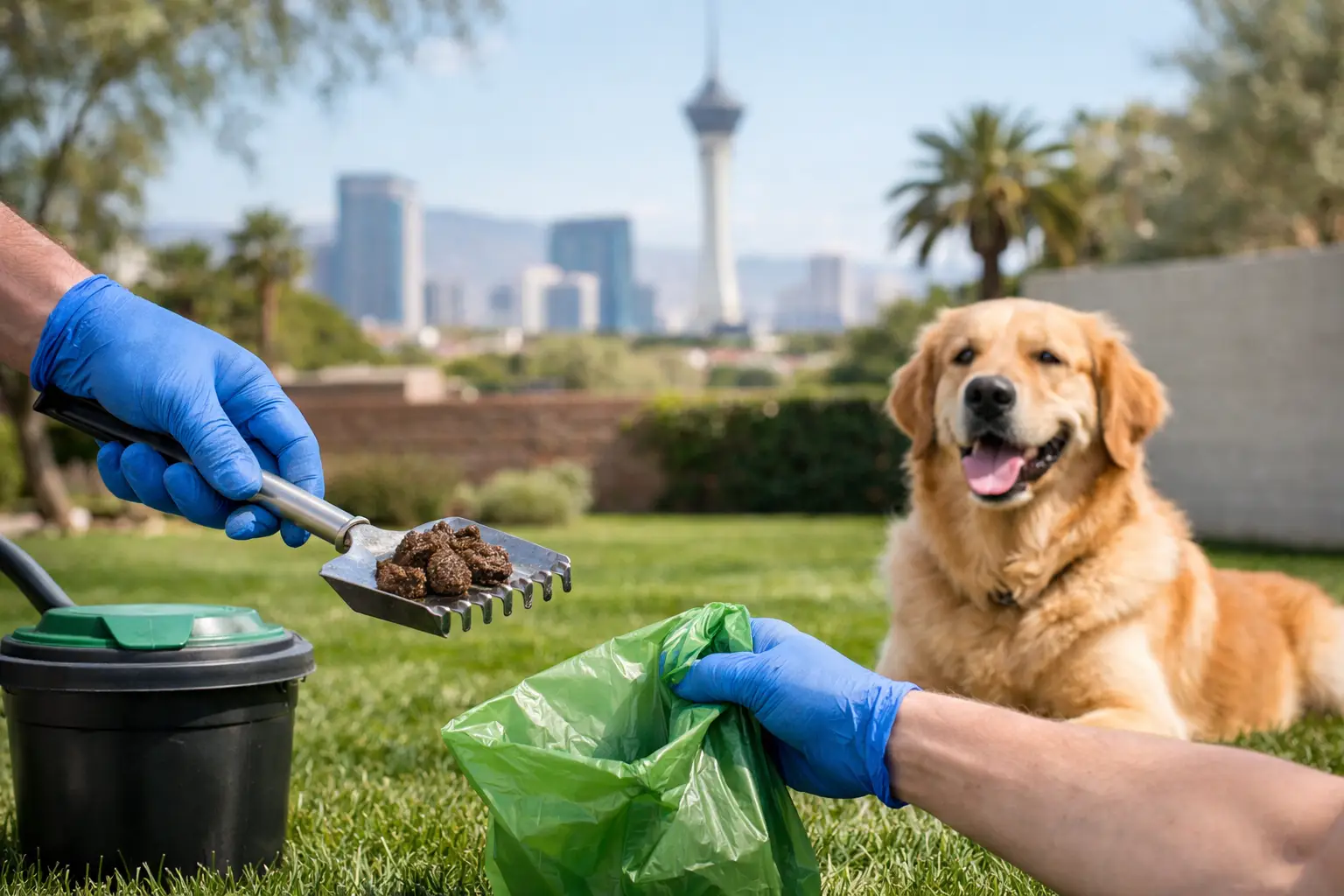
A clean backyard can turn into an obstacle course faster than most dog owners expect. Between work, family schedules, warm weather, and more than one dog using the same patch of grass, skipping cleanup for a few days is easy. Reliable Las Vegas dog poop disposal is not just about avoiding an unpleasant chore. It helps keep your outdoor space more sanitary, more comfortable, and ready for the people and pets who use it.
For homeowners, that may mean letting the kids play outside without a careful pre-game yard inspection. For a property manager, it can mean fewer resident complaints and a more welcoming shared pet area. The right disposal routine depends on the size of the property, the number of dogs, and how often the space is used, but consistency is what makes the difference.
Why Las Vegas Dog Poop Disposal Should Be Routine
Dog waste does not disappear into the lawn. Left behind, it can create odor, attract flies and other pests, and make a yard difficult to enjoy. It can also carry bacteria and parasites that may be a concern for dogs, people, and the wider outdoor environment. Rain may be limited in Southern Nevada, but when runoff does occur, pet waste left on hard surfaces or near drainage areas can travel where it does not belong.
There is also a lawn-care issue. Dog waste is not a fertilizer you want to spread around the yard. Its high nitrogen content can contribute to burned spots and uneven grass, especially in the small yards common across Las Vegas and Henderson. Artificial turf is not immune, either. Waste can settle into turf fibers, hold odor, and make a patio or pet run less pleasant during hot weather.
A weekly cleanup schedule is a sensible baseline for many households. Homes with several dogs, frequent backyard gatherings, young children, or smaller yards may benefit from more frequent service. A monthly visit can work for low-use properties, but it is usually better suited to a yard with one dog and a homeowner who handles occasional spot cleanup between visits.
The Right Way to Handle Dog Waste
The basic process is simple: scoop waste promptly, contain it in a durable bag, seal it, and place it in the appropriate trash receptacle according to local collection rules. What matters is avoiding shortcuts that create a bigger problem later.
Dog waste should never be left along a fence line, pushed into landscaping, tossed into a storm drain, or added to a home compost pile intended for vegetables or ornamental plants. These options may seem out of sight, but they do not solve the sanitation issue. They can create odor, attract pests, and expose other people and animals to contamination.
Flushing pet waste is another decision that deserves caution. Some communities permit certain flushable pet-waste products, while others have restrictions or plumbing concerns. Check local guidance before choosing that route. For most homes, sealed bagging and approved trash disposal remains the straightforward, dependable option.
The challenge is rarely knowing what to do. It is finding time to do it consistently. That is why a recurring pooper scooper service can be a practical part of home care, much like pool maintenance or landscaping. It removes one more task from the weekend list and keeps the cleanup from becoming a larger one-time job.
What Professional Pickup Changes
A professional service is built around the details that are hard to maintain when cleanup is squeezed between errands. Technicians systematically inspect the accessible yard, remove visible waste, and leave the space ready to use. Regular visits prevent buildup before odor, pests, and missed piles take over.
For many dog owners, trust matters just as much as convenience. You are letting someone access a private yard, often when you are not home. Look for a licensed and insured company with clear service procedures, uniformed technicians, and communication before and after the visit. Arrival and completion notifications help you know when the work is happening. A closed-gate photo after service provides a simple but valuable layer of reassurance for households with dogs.
Equipment practices matter, too. Tools used in one yard should be disinfected before entering another. This helps reduce the chance of transferring germs between properties. Pet-safe deodorizing and sanitizing can also be useful after a cleanup, particularly in dog runs, turf areas, or yards where odor has become noticeable.
Poo Pickers® provides recurring and one-time cleanup options with those practical safeguards in mind, including disinfected equipment, service notifications, gate photos, and pet-safe cleanup products. The goal is not to make dog ownership feel complicated. It is to make your yard easier to enjoy.
Choosing a Schedule for Your Yard
There is no one schedule that fits every dog owner. The best frequency comes down to how quickly waste accumulates and how you use the yard.
Weekly service is often the best fit for a typical household with one or two dogs. It keeps the lawn, turf, or gravel area in usable condition without allowing a long buildup. Bi-weekly service can be a reasonable middle ground for households with low yard use, while monthly service may suit a single-dog home where the owner is still willing to pick up occasionally.
One-time cleanups serve a different purpose. They are useful after a busy travel period, before listing a home for sale, ahead of a party, or when a new resident takes over a yard that needs attention. A one-time cleanup can reset the space, but recurring service is usually the better answer for preventing the same problem from returning.
Multi-dog homes often need more attention than owners initially expect. Three dogs do not simply mean three times the waste – they also mean more chances for piles to be hidden under shrubs, behind patio furniture, or along the edge of a pool deck. Small yards fill up quickly, so weekly service or a more frequent custom plan can be worth it.
Shared Spaces Need a Clear Disposal Plan
Dog waste creates a different kind of problem in apartment communities, HOAs, parks, and commercial properties. In a private yard, the responsibility is clear. In a shared space, inconsistent pickup can quickly become everyone’s issue.
Pet-waste stations can encourage residents to clean up after their dogs, but stations only work when bags are stocked, receptacles are emptied, and the surrounding area is maintained. They are a helpful tool, not a complete maintenance plan. Common areas still need routine inspection and cleanup, especially near paths, dog runs, grass strips, and outdoor gathering spaces.
For property managers and HOA boards, regular service helps protect the appearance of the property while addressing a frequent source of complaints. It also sends a clear message that pet-friendly does not mean poorly maintained. The best service plans account for foot traffic, the number of units or homes nearby, seasonal use, and the size of the dog area.
Questions to Ask Before Hiring a Service
Before choosing a dog waste removal provider, ask how pricing is determined and what happens during the first visit. Initial cleanups may cost more because the yard needs to be brought back to a manageable condition. After that, recurring pricing is commonly based on the number of dogs and how often service is scheduled.
It is also reasonable to ask whether there is a contract, how cancellations work, and what the company does if a visit does not meet expectations. A no-contract option gives households flexibility when routines change. A satisfaction guarantee shows that the company is prepared to make a missed detail right rather than leaving the customer to deal with it.
Finally, clarify access instructions. Let the provider know about locked gates, dogs in the yard, delicate landscaping, or any areas that should not be entered. A dependable technician will follow those instructions and leave the gate as they found it.
A clean yard should not require giving up part of every weekend. Whether you manage one dog, a busy multi-dog household, or a shared community space, a consistent disposal plan keeps the dirty work from becoming the thing that keeps everyone indoors.