A dog-friendly property can stop feeling welcoming fast when the nearest bag dispenser is empty, the trash can is overflowing, or residents have no clear place to dispose of pet waste. Waste stations solve a simple but important problem: they make the right cleanup behavior easy at the moment it matters.
For HOAs, apartment communities, parks, and businesses, that small convenience protects much more than appearances. It helps keep walkways, grass, shared courtyards, and pet areas more pleasant for residents, visitors, children, and dogs. The key is not simply installing a station. It is placing it well, stocking it consistently, and maintaining it on a schedule people can rely on.
What Waste Stations Do for a Property
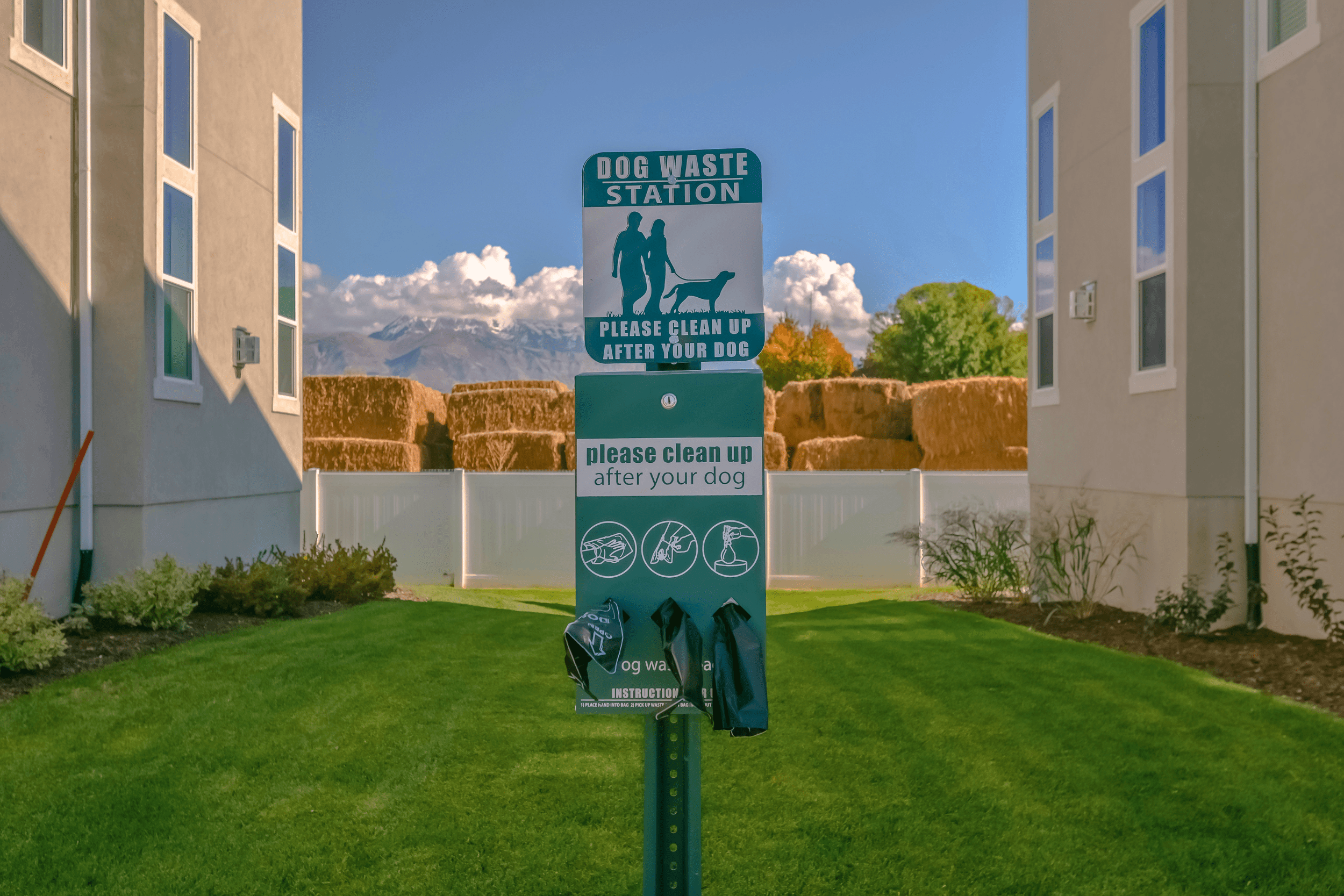
A waste station usually combines a bag dispenser with a covered disposal can, signage, and sometimes a mounting post. It gives dog owners a visible, convenient place to grab a bag and throw it away without carrying it around the property.
That convenience matters because pet waste left behind is not just an unpleasant sight. It can create odor, attract flies and other pests, damage turf, and introduce bacteria or parasites into areas people and pets use. In a busy community, even a few missed pickups each day can quickly make a common area look neglected.
A clean, stocked station also sends a message: this property is cared for, and residents are expected to do their part. That is especially valuable at apartment communities and HOAs, where one person’s missed cleanup becomes everyone else’s problem. Clear expectations work best when the property provides the tools to meet them.
For private yards, a station can be useful near a side gate, dog run, or patio exit. But the biggest impact usually comes in shared spaces with regular dog traffic. A station near the right path can prevent many more missed pickups than one placed where nobody naturally walks.
Where to Place Waste Stations
The best location depends on how people and dogs move through the property. Before installing anything, take a short walk through the area at the times it is most active. Notice entrances, sidewalks, shaded gathering spots, grass areas, and the routes residents use when taking dogs out.
Put Stations at Decision Points
The most effective spots are often where dog owners are already stopping or changing direction. Think of entrances to dog parks, exits from apartment buildings, trailheads, community mailboxes, and the edge of a shared lawn. These are places where a resident can easily grab a bag before a walk or dispose of one at the end.
Dog parks generally need more than one station. Place one near the entrance and another near the far end or exit, especially if the area is large. A single dispenser by the gate may look sufficient on a site plan, but it is easy for someone to overlook once they are focused on a dog that needs to run.
Keep Them Visible and Easy to Reach
A station hidden behind landscaping or placed far from the sidewalk will not get used as often. It should be visible from the normal walking path without blocking foot traffic, parking access, or maintenance routes.
Avoid placing a disposal can directly beside outdoor seating, pool entrances, or a main building doorway. Convenience is necessary, but so is consideration for odor and appearance. A short distance away, along the natural route out of the area, is often the better balance.
In the Las Vegas Valley, sun and heat deserve extra attention. Choose durable equipment designed for outdoor conditions, secure it properly, and check that bags and lids remain usable during hot, windy weather. A lid that blows open or a dispenser that cracks under constant exposure creates more work than it saves.
Stocking Is the Difference Between Helpful and Frustrating
An empty dispenser tells residents that cleanup is their responsibility but provides no practical support. An overflowing can creates a sanitation issue of its own. Once that happens repeatedly, people lose confidence that the station is maintained and may stop using it altogether.
The right restocking schedule depends on dog traffic, bag capacity, weather, and the number of stations on site. A small HOA with two stations may only need weekly attention. A busy apartment dog run or public-facing park may need checks several times a week, or even daily during high-use periods.
Property managers should watch for patterns instead of guessing. If a dispenser is empty before the scheduled service day, increase the bag supply or service frequency. If cans fill quickly after weekends, events, or move-in periods, plan around those peaks. A good maintenance routine adjusts to how the property is actually used.
Signs of a station that needs attention include loose bag rolls, lids that do not close, missing signage, lingering odor around the can, torn liners, or waste on the ground nearby. These issues are easier and less expensive to handle early than after residents begin submitting complaints.
Choose Equipment That Fits the Setting
Not every waste station needs the same setup. A compact dispenser and can may work well beside a small residential dog run. A larger community park may need freestanding stations with high-capacity receptacles, durable metal construction, and multiple bag dispensers.
When choosing equipment, focus on a few practical details: weather resistance, secure mounting, bag-roll compatibility, liner capacity, and an easy-to-open lid for service staff. The station should be simple for dog owners to use but difficult for wind, vandalism, or animals to disrupt.
Signage should be direct, polite, and readable from several feet away. “Please clean up after your dog” is often enough. Overly harsh signs can make a property feel unfriendly, while vague signs may be ignored. The goal is to reinforce a shared standard without creating friction.
It also helps to keep the station visually consistent with the property. A clean, professional-looking unit near a maintained path feels intentional. A rusty can with faded signage can have the opposite effect, even when bags are available.
Professional Service Keeps Standards Consistent
Installing stations is only the first step. They need regular bag refills, waste removal, liner changes, surface cleaning, and inspection. For communities with limited maintenance staff, these tasks can easily fall behind during busy weeks.
A dedicated pet-waste service can handle the recurring work while giving managers a more consistent record of maintenance. Poo Pickers® provides commercial pet-waste cleanup and waste station service for shared pet-friendly areas, helping properties keep common spaces ready for residents and guests.
Consistency matters because residents notice it. A clean station, an empty can, and bags ready when needed make the property easier to enjoy. It also reduces the pressure on onsite teams who are already managing landscaping, repairs, resident requests, and other daily responsibilities.
A Simple Standard for Shared Pet Areas
Waste stations work best as part of a broader property-care routine. Keep paths clear, service pet areas regularly, address recurring trouble spots, and make sure residents know where cleanup supplies are located. If one section of the property consistently has missed waste, consider whether the station is too far away, too easy to miss, or being serviced too infrequently.
The goal is not to police every dog owner. It is to make responsible cleanup the easiest choice and maintain a space people are comfortable using. When the bags are there, the can is clean, and the station is placed where it makes sense, a shared outdoor area feels cared for from the first walk of the day to the last.