A yard can smell clean and still need attention. It can also be free of visible waste yet hold onto the odor that makes patio time, playtime, and backyard barbecues less pleasant. That is the practical difference behind yard sanitizing versus deodorizing: one service focuses on reducing germs associated with pet waste, while the other focuses on managing the smells left behind.
For dog owners, the best choice is rarely an either-or decision. Regular waste removal is the starting point. Then sanitizing and deodorizing can address two different problems that poop scooping alone cannot always solve, especially in high-use areas where dogs regularly potty, play, or rest.
Yard Sanitizing Versus Deodorizing: The Core Difference
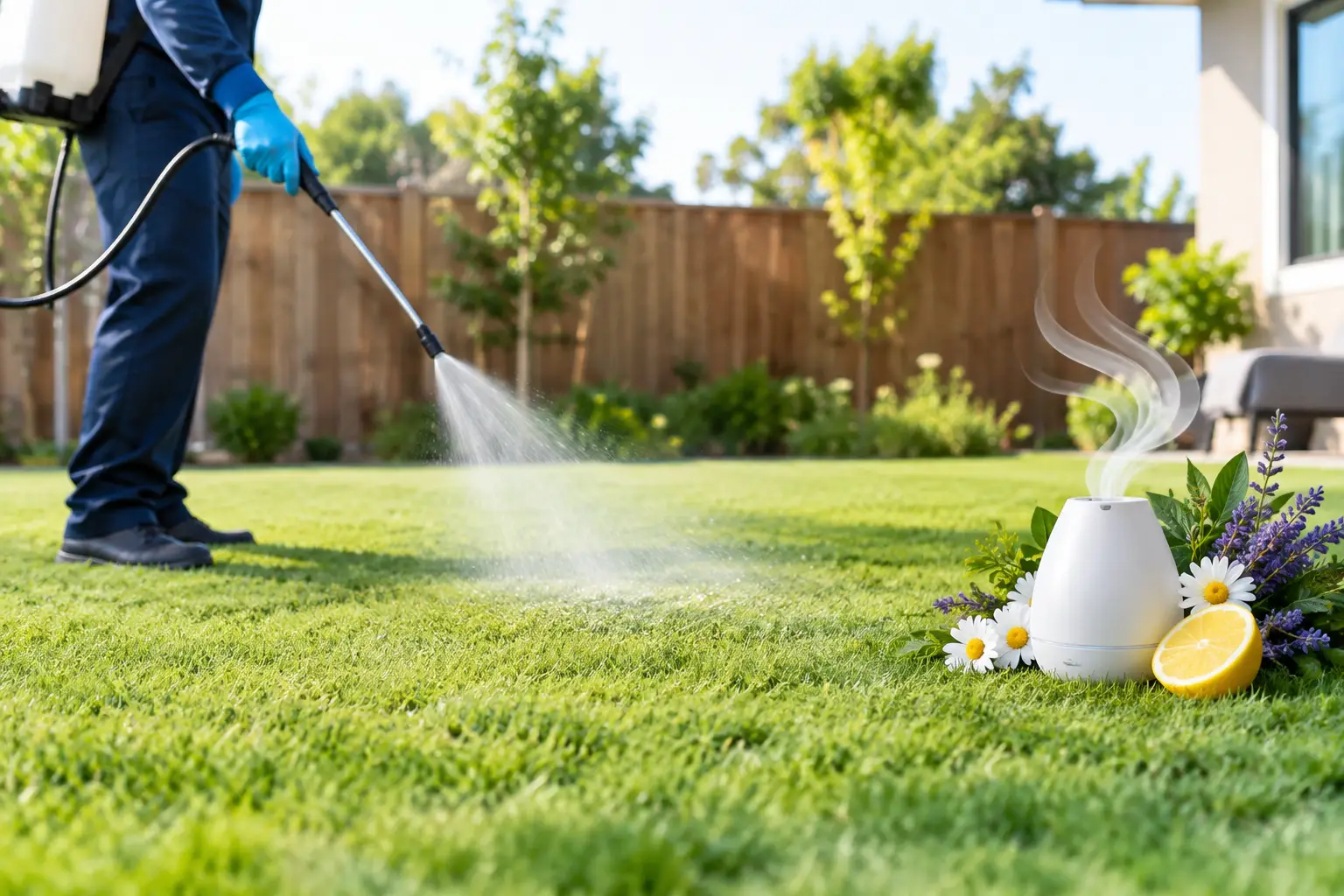
Sanitizing is about hygiene. A pet-safe yard sanitizer is applied to appropriate outdoor surfaces and areas to help reduce bacteria and other microorganisms that may be associated with dog waste. It is particularly useful around turf, gravel, pavers, concrete, dog runs, kennel areas, and the spots where a dog repeatedly goes.
Deodorizing is about odor control. A deodorizing treatment works to neutralize or reduce the odor molecules that create that unmistakable pet-waste smell. It should not simply cover odor with a heavy fragrance. A quality deodorizer helps make the yard more comfortable to use without turning it into a perfume cloud.
Neither service replaces picking up waste. Fresh and old piles continue to add odor, attract flies, and create contamination concerns until they are removed. Think of cleanup as taking out the trash, deodorizing as treating the smell, and sanitizing as addressing the hygiene side of the area.
Why Las Vegas Yards Can Need Both
Las Vegas heat can dry out waste quickly, but dry does not mean clean. Dog waste can break into smaller pieces, settle into gravel, cling to artificial turf fibers, or leave residue in the areas where dogs repeatedly relieve themselves. When water hits those areas – from irrigation, a hose, rain, or a poolside splash – odors can become more noticeable again.
Artificial turf is a common example. It is durable and low-maintenance, but urine and waste residue do not disappear just because the surface looks tidy. A family may notice odor near the turf seams, along the fence line, or around the dog’s favorite potty corner. Deodorizing can make a meaningful difference there, while pet-safe sanitizing adds an extra hygiene measure after waste has been removed.
Natural grass has its own trade-offs. Waste left too long can contribute to discolored or damaged spots, and overwatering a problem area may temporarily spread odor rather than solve it. In gravel yards, solid waste and small remnants can settle below the surface, making consistent cleanup especially valuable.
When Sanitizing Makes Sense
A sanitizing treatment is most helpful when your concern goes beyond smell. Maybe your kids play in the yard, your dog has a sensitive stomach, you are welcoming a new puppy, or several dogs share a relatively small space. It can also make sense after a heavy one-time cleanup, when a property has not been maintained for a while.
Sanitizing may be worth adding when you notice these situations:
- Your dog uses the same small area every day.
- Children, guests, or other pets regularly use the lawn or patio.
- You have multiple dogs and frequent yard traffic.
- You are moving into a home where previous pet waste may have been left behind.
- A shared pet area needs a cleaner routine between regular maintenance visits.
A sanitizer is not a guarantee that an outdoor yard is sterile, and no responsible service should promise that. Outdoor spaces are exposed to wildlife, dust, soil, insects, and changing weather. The goal is sensible risk reduction and a cleaner-feeling environment, not laboratory conditions in your backyard.
Product choice matters, too. Treatments should be selected and used according to label directions, with attention to the surface being treated and the manufacturer’s guidance about pets and people returning to the area. A professional should be able to explain what is being applied and how the service fits into an ongoing cleanup plan.
When Deodorizing Is the Better First Step
If the main complaint is, “My yard smells like dog,” deodorizing is often the direct answer. It is especially useful around artificial turf, gravel, patios, shaded corners, dog runs, and areas near doors or outdoor seating. You may not notice the smell every day because you live with it, but visitors often pick it up right away.
Deodorizing is also helpful before you host guests, list a home for sale, open a rental property for tours, or start using the backyard more often in cooler weather. It can make the space more enjoyable quickly, but it works best after the waste source has been removed.
There is an important trade-off: deodorizing can improve the experience of the yard, but it does not substitute for sanitation when hygiene is your bigger concern. Likewise, sanitizing alone may not fully correct embedded urine or waste odors. If both cleanliness and smell are issues, pairing the services is usually more effective than asking one product to do both jobs.
The Routine That Keeps Odor From Coming Back
The most effective yard-care plan is less dramatic than a one-time treatment. It is a steady routine. Waste gets removed before it accumulates, the areas dogs use most are monitored, and deodorizing or sanitizing is added when the yard calls for it.
Weekly service is a strong fit for most households, particularly families with one or more dogs using the yard every day. Bi-weekly visits may work for some lower-use yards, while multi-dog homes and small yards often benefit from more frequent attention. The right schedule depends on dog count, yard size, how often people use the space, and whether the yard has turf, grass, or gravel.
Homeowners can help between visits by picking up any fresh waste they notice, rinsing only when it makes sense for the surface, and avoiding the habit of pushing waste into rock beds or behind shrubs. If odor keeps returning to one location, make note of it. That detail helps identify whether the issue is an active potty zone, accumulated residue, poor drainage, or a surface that needs targeted treatment.
What Professional Service Should Look Like
A dependable pet-waste service should do more than make the yard look better from the sidewalk. The technician should remove waste carefully, respect gates and pets, and avoid carrying contamination from one yard to the next. Disinfecting equipment between yards is a practical part of that standard.
Clear communication matters, too. Arrival and completion notifications help homeowners know when service occurred, while a closed-gate photo provides useful peace of mind for families with pets. Those small details matter when someone else is caring for the space where your dog plays.
Poo Pickers® pairs recurring or one-time dog waste removal with deodorizing and pet-safe sanitizing as part of a cleaner-yard experience. For a busy household, that means less time watching where you step and more confidence that the backyard is ready for everyday life.
A Cleaner Yard Starts Before the Smell
Do not wait until the odor reaches the patio door or the yard becomes off-limits to kids and guests. Start with consistent waste removal, then use deodorizing for comfort and sanitizing for added hygiene where it makes sense. Your dogs still get their favorite outdoor space, and you get a yard that feels like part of your home again.